For students who say they know little about recycling, the University of Minnesota’s system of waste collection is intuitive. Waste is collected, processed, sold or reused at the University’s Como Recycling Facility, diverting 52% of waste generated on campus.
The University’s waste, specifically traditional recycling, bulky items, scrap metal, construction debris and biowaste, does, in fact, make it to the University’s Como Recycling Facility via the work of eight full-time drivers picking up waste from over 280 campus buildings.
The process begins and ends with weighing the waste transport trucks. From there, the process of sorting begins. The sorting process is manned by four University employees and student workers.
Ahnika Seifert, a recycling coordinator for the University, works with the recycling facility staff to ensure all of the waste is sorted properly.
“Their primary job is just to make sure our recycling is being sorted properly. And we also have a little army of students, which is amazing,” Seifert said. “So I always love when students come here because it’s really the best way to absolutely have an influence on sustainability and making sure things get recycled.”
Despite their best efforts, only about 52% of waste generated is diverted from the landfill. Seifert said she believes this number could rise to about 60%, given current systems and facilities in place.
The systems in place, even if not operating at maximum diversion efficiency, serve an important role for the campus.
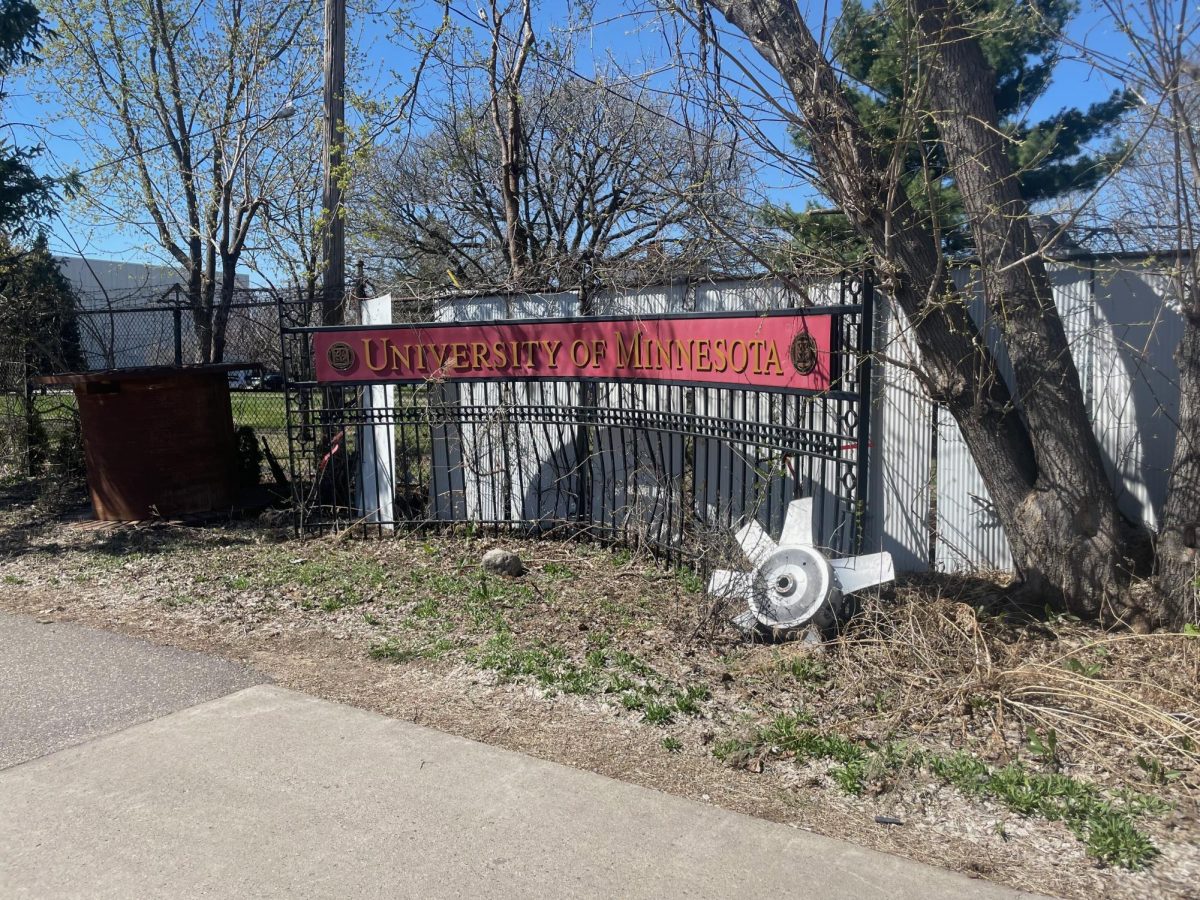
Every step of the process, until after materials are sold, is managed by the University. Seifert said she sees the enormous value in a system like this.
“It allows us to have a lot more control,” Seifert said. “We can kind of adapt to whatever the University’s needs are.”
A major result of the University’s control over its waste sorting system is that it generates enough revenue to fund its own operations. This is due, in large part, to the back-end work Nick Kluge, assistant director for waste recovery services, does, selling the materials after they are sorted.
Market conditions and the extreme variety in materials sold are what Kluge is paid to manage.
“Our paper buyers are very steady, they’re very easy,” Kluge said. “But the plastics are ridiculous. Yeah, it’s tough… I’ve got to be honest about that one.”
Amongst the waste market’s volatility and difficulty recycling plastics, Kluge said he likes what he does. He said he recognizes the importance of a robust waste management system for furthering sustainability.
“It’s that full process that I enjoy, it’s watching it come right out of academia or whatever hallway level we’ll say, and it makes its way all the way through our system,” Kluge said. “Maybe one day I’m walking through our own warehouse out of my office, and I might see that same thing again, you know? And not necessarily literally… but it’s possible.”
First-year Logan Ingbretson studies fisheries, wildlife and conservation biology with a minor in political science. Despite his environmental involvement, he said he does not know much about numbers placed on plastics — but he does not feel he needs to.
“I’m vaguely familiar [with plastic identification numbers], but I haven’t needed to track that, usually like the visual aids help enough that I can tell the differences,” Ingbretson said.
Matthew McKenna, another first-year, said he feels similarly about the signs’ visual aids but feels 100% confident in his ability to correctly identify which bin to place items in.
“There’s no [education] on it here, I guess,” McKenna said. “But, everything’s labeled pretty well. So I know what’s what usually.”
Students offered few suggestions on how the University could improve its recycling system, despite an overwhelming concern for how it generally responds to climate change.
Jack DeCapua said he is unimpressed by the University’s response to the climate crisis.
“It seems so average,” DeCapua said. “It seems like they’re not really, it seems like they’re kind of trying, but not really trying, which I feel like is what so many places do, where they’re like, we’re kind of going to pretend that we care, but not really.”
DeCapua said he knew very little about the University’s operations in general, so he felt he could not give a comprehensive critique of their climate change policy.
McKenna said he felt a similar way about the recycling system, unsure of the system’s operations and whether his effort to properly sort materials he disposed of amounted to anything.
“I guess I have no idea where the recycling goes around here. So I don’t know if it actually makes it to the recycling [center],” McKenna said.