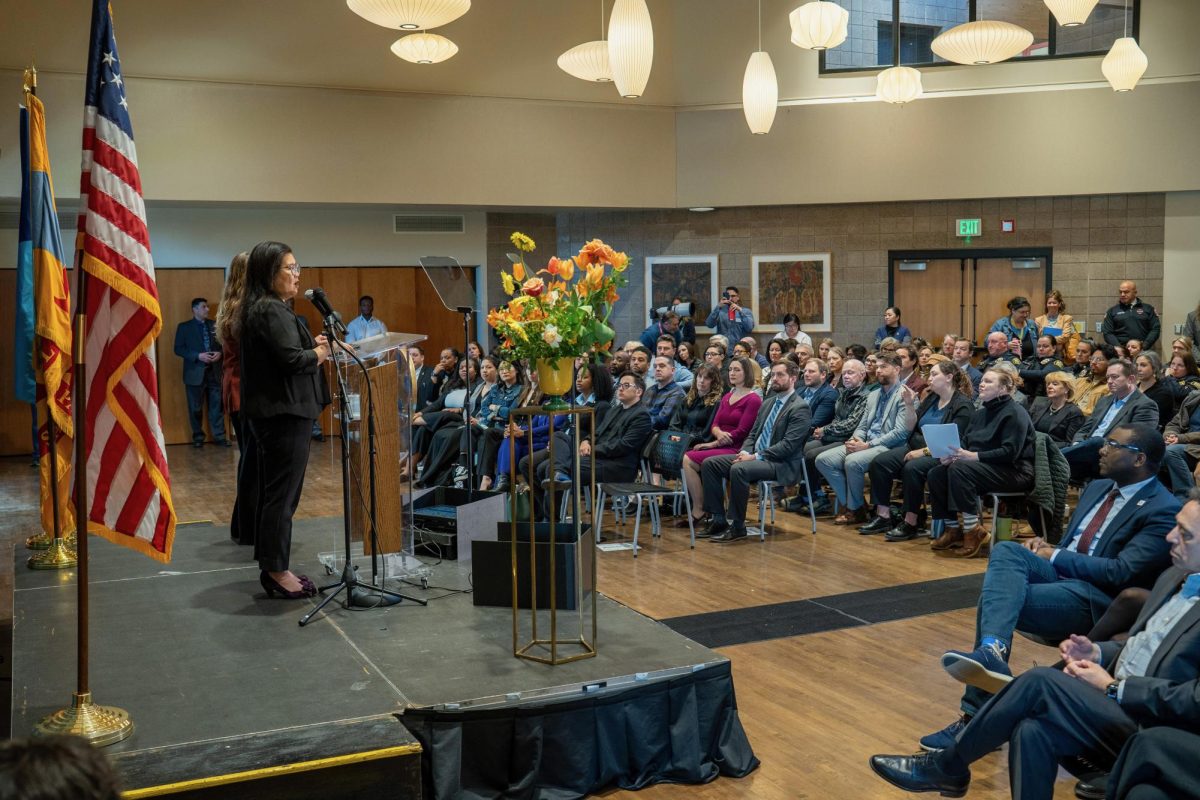
After a first few months in office marked by federal immigration enforcement, St. Paul Mayor Kaohly Her outlined plans to rebuild the city’s business community and improve infrastructure on Monday.
Her is St. Paul’s first woman and first Asian immigrant mayor. Before serving as mayor, she was a state representative for six years and a policy director during former St. Paul Mayor Melvin Carter’s first term before defeating him in November.
Though no stranger to politics, Her took office amid Operation Metro Surge, which had widespread impacts on St. Paul and the metro area. She was sworn in days before federal agents killed Renee Good in Minneapolis, St. Paul’s sister city, and weeks later killed Alex Pretti.
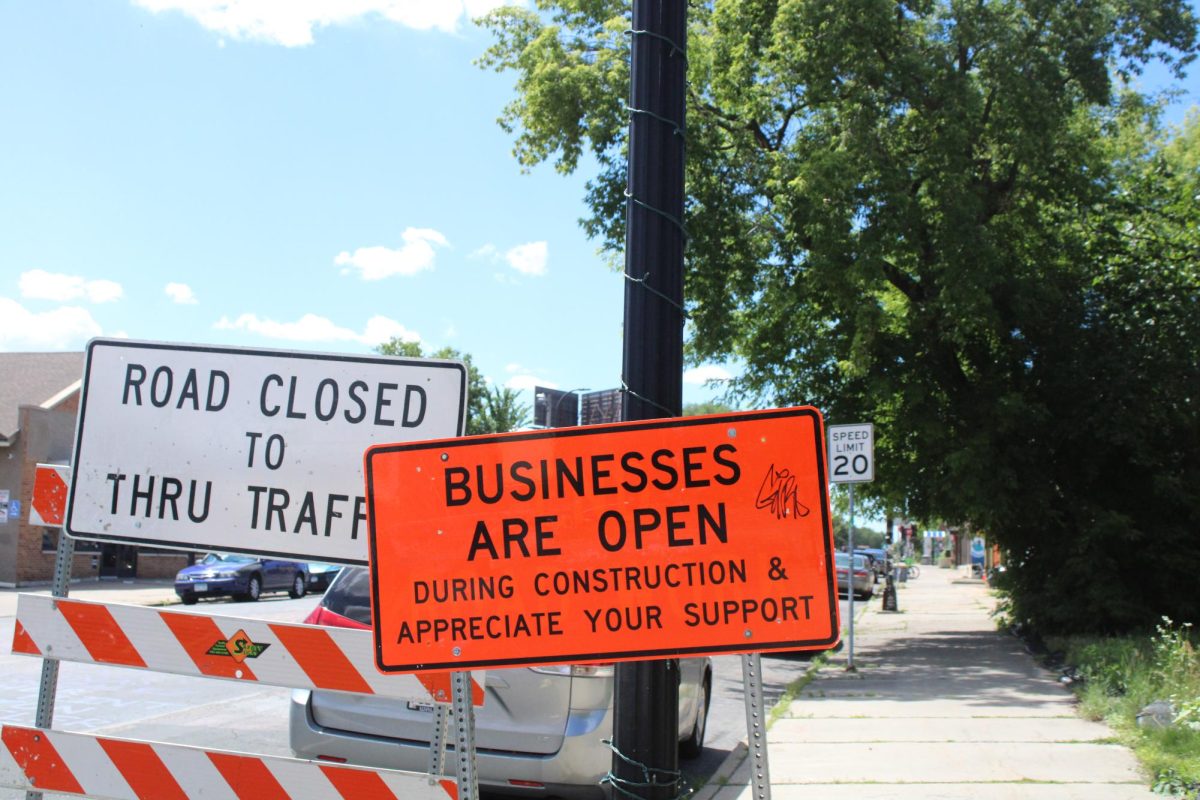
She began her address by emphasizing the need to stabilize St. Paul businesses. A survey from the city’s Planning and Economic Development department found St. Paul businesses lost approximately $129 million during January and February. Some lost up to 60% of their sales, Her said.
Her said she is advocating for the Minnesota Legislature to enact fast-moving business relief grants, though funding remains uncertain with the House evenly split. She is also looking to streamline business permitting processes to attract new economic development city-wide.
“Our response to the federal occupation is far from over. We will have to work intentionally for years,” Her said.
She praised St. Paul’s departmental and community response to federal immigration enforcement. St. Paul remains a resilient and rising city, she said.
“St. Paul, I stand with you today to say that the state of our city is strong,” Her said.
St. Paul City Council President Rebecca Noecker introduced Her to the stage, praising her dedication to campaign promises and hands-on approach.
“She is sweating the small stuff,” Noecker said. “She is filling potholes herself. She’s coming to work in person every day. And she is collaborating.”
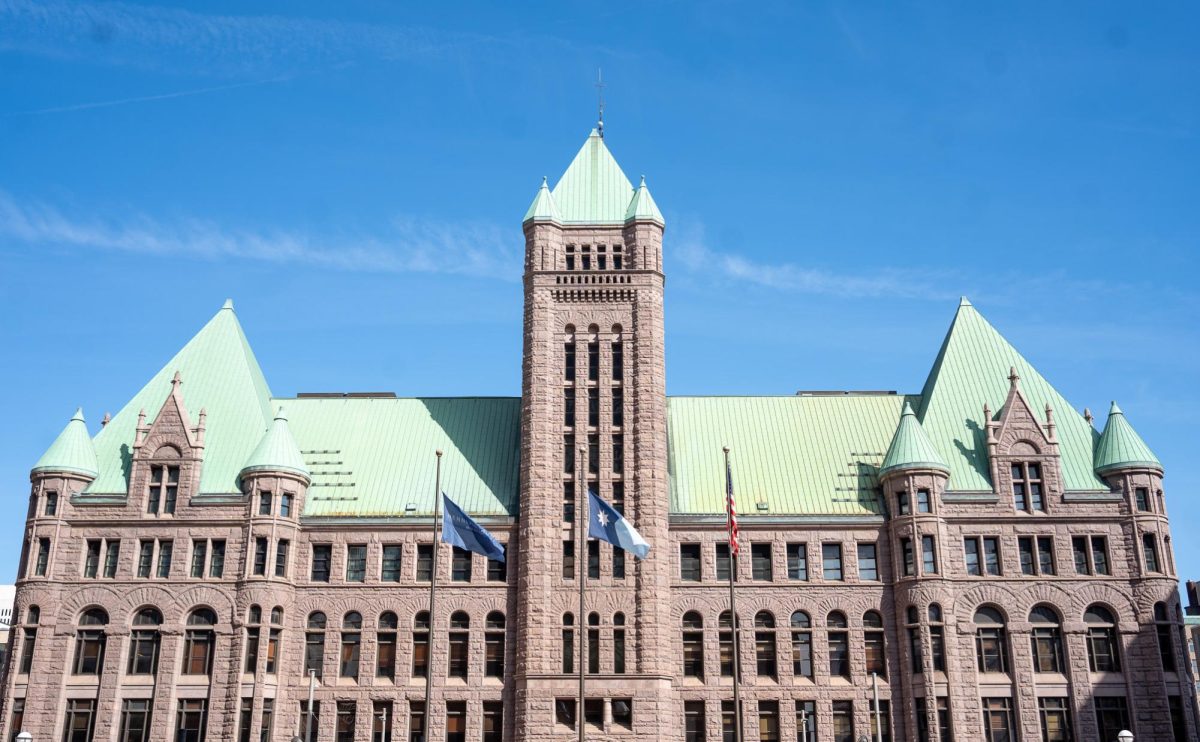
There have been disagreements between the St. Paul City Council and the mayor, including a debate over a 60-day notice requirement before eviction filings. Her declined to sign the measure, but ultimately did not veto the council’s unanimous vote to pass it. Noecker said conflict is natural and that the state of St. Paul’s City Hall has never been stronger.
Her is asking the Minnesota Legislature for $200 million, a third of the cost of renovating the Grand Casino Arena in downtown St. Paul. The legislative funding is necessary to keep property taxes steady while remaining competitive with Minneapolis’ event venues, she said.
Her intends to direct 40% of St. Paul’s sales tax toward arena debt, as part of a financing plan she said would reduce the need to return to the Legislature. The rest would go toward housing, transportation, capital improvements and projects such as the North End Community Center.
Downtown investment also includes expanding access to basic services. Her highlighted a new Aldi in downtown St. Paul, which has been considered a food desert since 2025 when its only grocery store closed.
Securian Financial and the Bush Foundation are contributing $30 million to support downtown development, Her said. Ramsey County recently announced more than $300 million toward housing, small business support and the beautification of public areas, including downtown.
Infrastructure remains a top priority. The demolition of the long-vacant CVS on University Avenue began in March. An overall infrastructural assessment of the city’s properties and a likely $1 billion in deferred maintenance is underway, Her said.
“I intend to develop a full picture of our finances,” Her said. “St. Paul residents value transparency, and they deserve to have a clear understanding of what is needed to turn this cycle and deferred costs around.”
Public safety metrics have improved for St. Paul, with a 50% drop in homicide rates and 71% of nonfatal shooting cases solved in 2025, Her said. She credited the progress to the city’s nonfatal shooting unit and offered her appreciation to former Mayor Carter and Ramsey County Attorney John Choi for establishing the program.
However, additional funding is required from the state Legislature to keep the program up and running. The bill to provide that funding is currently in the public safety committee’s omnibus bill, a large package of bills that addresses various safety concerns and needs. Her is hopeful it will pass.
Though St. Paul and Minnesota have been the subject of terror at the hands of the Trump administration, they will never break the state’s spirit, Her said.
“Now, let’s get to work.” Her said.