

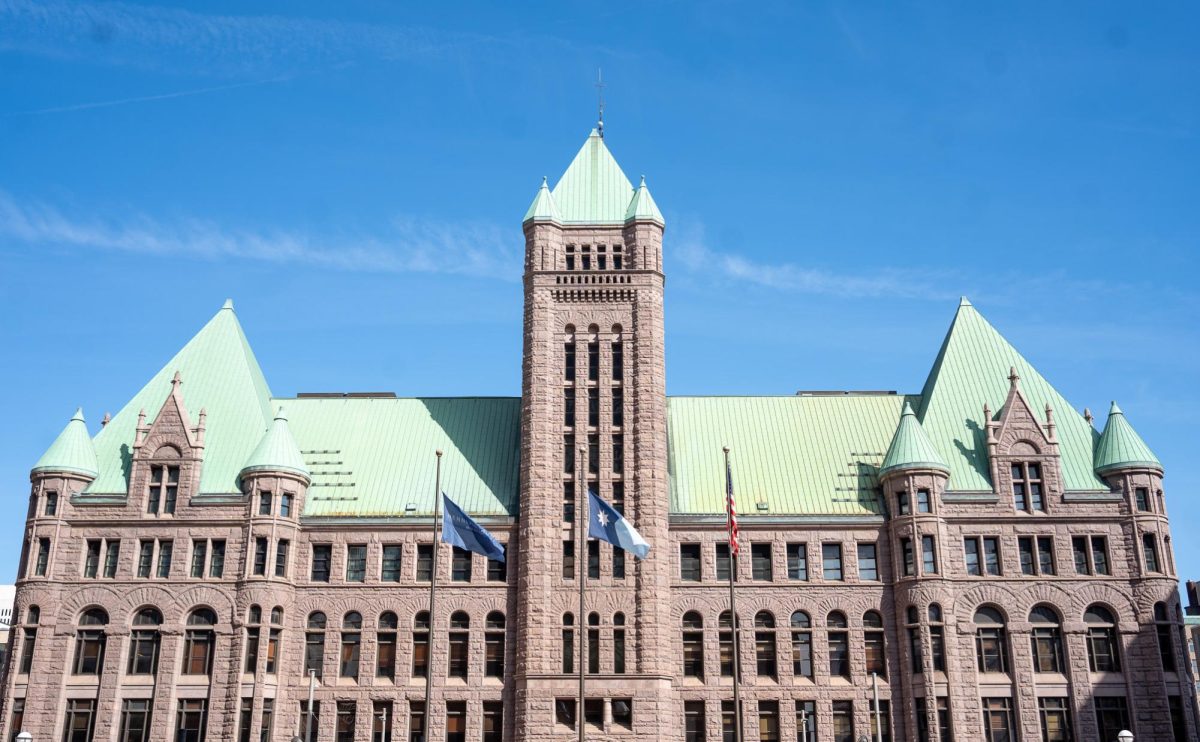
The Minneapolis City Council has begun meeting with a coaching and consulting firm to alleviate the long-term burdens after Operation Metro Surge.
At the recommendation of Minneapolis City Clerk Casey Carl, the city council entered into a $1.4 million contract through 2028 with Darcy Luoma Coaching and Consulting. The coaching allows leaders to have private discussions exempt from Open Meeting Law, which council members argue eases communication among members and allows for more progress.
The 1957 Minnesota Open Meeting Law ensures government meetings are transparent and accessible to the public. One exception allows officials to discuss strategy and labor negotiations privately, according to the Minnesota House Research Department.
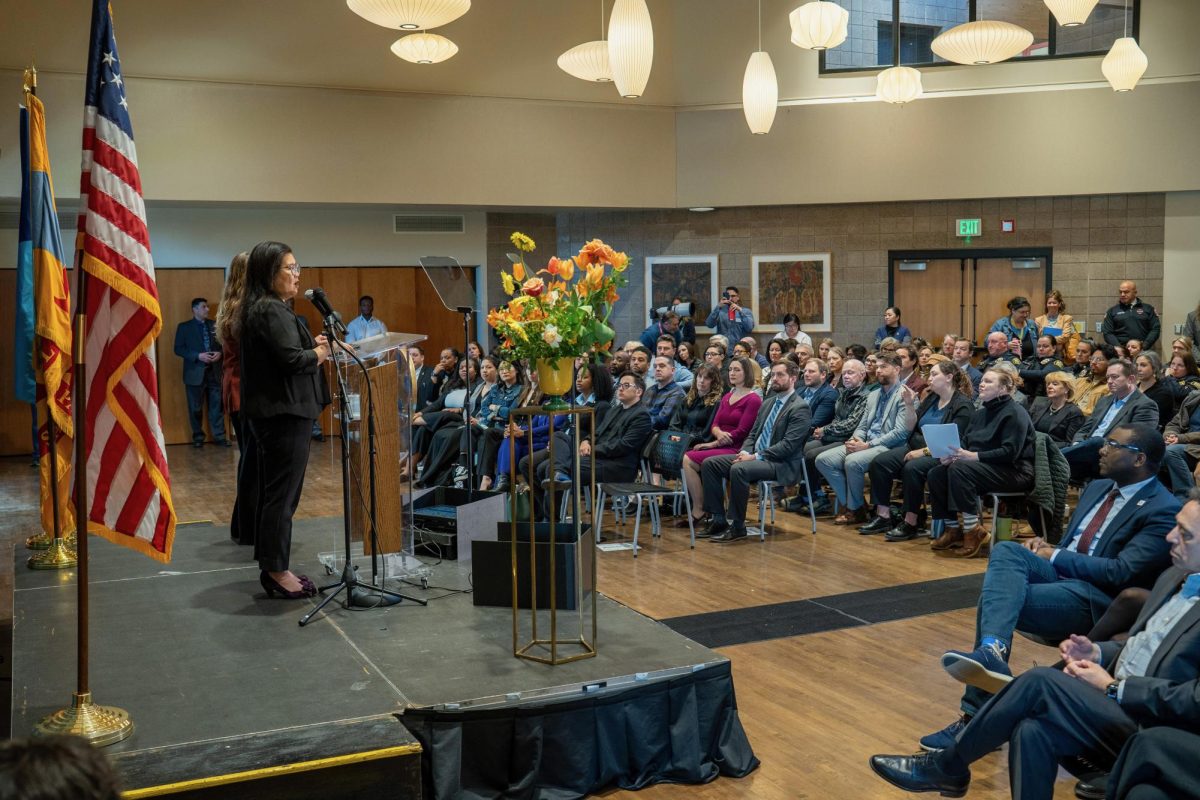
Council member Pearll Warren said, with how public-facing the job can be, having some privacy when discussing plans can be beneficial for city officials. Without the pressure of the public eye, she said, there is less of a mental load.
“Everything that we do, that we talk about is very public,” Warren said. “This is a time for us to really balance without the fear of the Open Meeting Law, to really talk about our work plans, things that we want to see happen in our ward to be better. There was not an onboarding in this role.”
Warren said the workshops will allow time for strategic planning.
“I wish that the community was receiving it better and not calling it therapy, or what have you, because it’s not,” Warren said. “Our city has been gravely impacted by all of the things that happen with Operation Metro Surge, and it is advantageous for us to have the opportunity to really strategically talk about what moving forward looks like.”
U.S. Immigration and Customs Enforcement officer Jonathan Ross shot and killed Minneapolis resident Renee Good just two days after the inauguration of city council members in January. Warren said hiring the consulting firm is beneficial for privately discussing the weight of Good’s death.
“We were actually in the middle of strategic planning when that took place,” Warren said. “Coming in as a new council member, that was hard. We, as a council, haven’t had an opportunity to unpack that due to Open Meeting Law.”
Council Vice President Jamal Osman said the decision for the city council to spend money on the consulting will serve a good purpose.
“We manage a nearly $2 billion annual budget, and when the mayor, city council, cabinet, and senior staff are not communicating clearly or working through disagreement productively, that has real consequences for residents,” Osman said.
Coaching sessions between city elected officials are held quarterly, with access to private counseling. The contract with Darcy Luoma Coaching and Consulting is set to end in 2028, with the option to extend it for another two years.
Council member Linea Palmisano said the expense is worth the cost — dysfunction within city government could cost the city more than the consulting contract.
“It is also important for the public to realize that what I see as dysfunction is about terrible behavior. It deeply impacts all of those that live in and visit our city,” Palmisano said. “I am certain we’ve wasted more taxpayer dollars on bad things this cycle than the value of this entire contract.”
Palmisano said she hopes the coaching will help Minneapolis officials work as a team.
“In some ways we are a group and, in some ways, a governing body operates as a team,” Palmisano said. “We all have to take our individual votes, but it is very important to have good working relationships regardless of where we land on votes.”
Warren said the changes the city council has had from their consulting sessions are noticeable.
“You can see in our last few council sessions that the communication was very different in our delivery,” Warren said. “We are moving as a body.”
In a statement, Mayor Jacob Frey said that hiring a consulting company is an investment that, in the long run, will leave Minneapolis as a better, safer space to live.
“We don’t have to agree on everything, but residents expect us to solve problems, not create more of them,” Frey said. “If better communication helps us deliver safer streets, more housing, and better city services, that’s a worthwhile investment.”
Palmisano said some of the strategies for conduct and communication that have come out of the meetings may sound elementary, but will create a more cohesive city government.
Many residents find it difficult to support the expense. Minneapolis resident Georgeann Copestick said there could be cheaper ways to find common ground.
“Spending millions to get advice is a waste of money, but I’m not an expert either,” Copestick said.
Osman said the purpose behind the strategy meetings isn’t to prevent every disagreement, but to ensure disagreements focus on policy rather than personal conflict.
“The better measure is whether disagreement becomes more productive,” Osman said. “The real test is whether this work helps city leaders spend less time on avoidable conflict and more time delivering core city services.”








Act your age.
Jun 30, 2026 at 10:56 am
So the City taxpayers have to fund an outside advisory agency to help the City Council members get along? The voters need to do a better job of electing more mature Council members.
John H
Jun 30, 2026 at 8:28 am
Unbelieveable. Now they can plan stuff without worrying about objections from the public. Public opinion regarding “private” coaching sessions needs to be heard and debated openly. This is awful policy. If they’re so worried about the public chiming in, they should go find a non-city job.