


Minneapolis banned adult bathhouses in 1988 — and the city council is considering bringing them back.
The city banned bathhouses during the HIV/AIDS epidemic in the 1980s and ‘90s, proposed as a way to stop the spread. With the proposal, some members of the community feel it could be detrimental to public health and safety. Others argue that legalizing them would create safety.
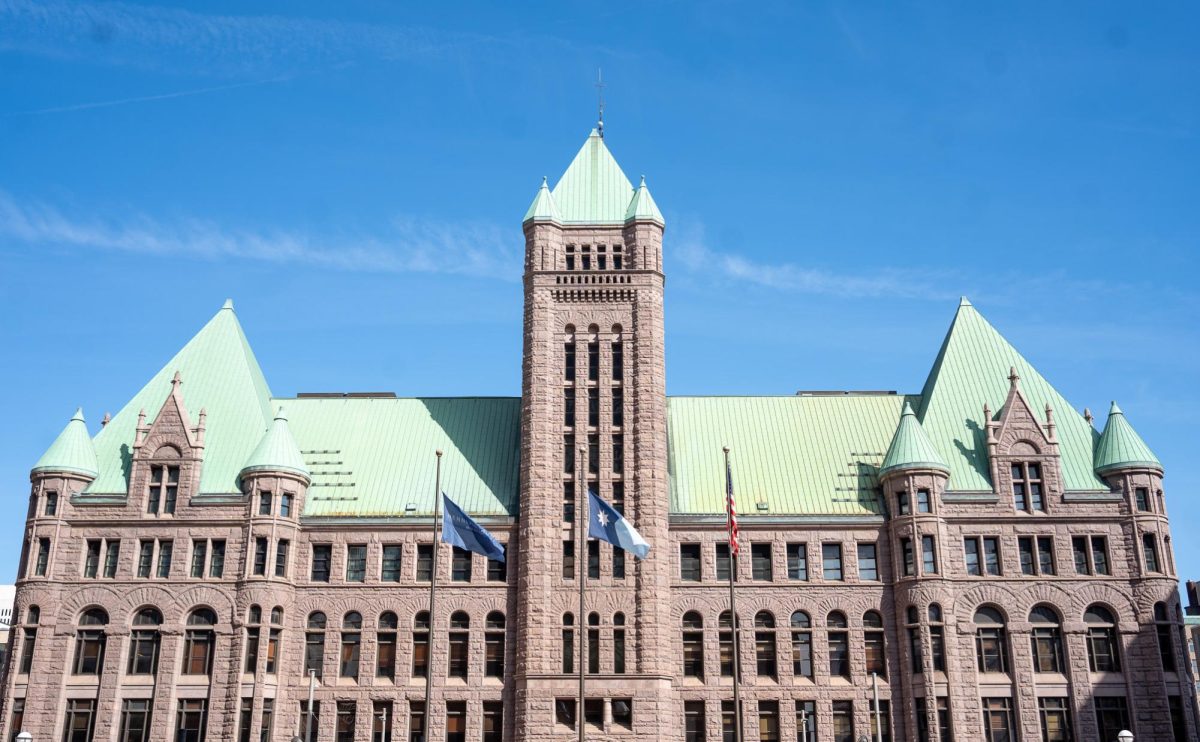
“It’s completely unregulated and happening in the shadows,” Council member Jason Chavez (Ward 9) said during a city council meeting. “It’s happening across the city in ways that we don’t fully know.”
Adult bathhouses, typically associated with gay men, offer the space for people to consensually engage in sex, along with other non-sexual amenities.
Despite not having sufficient evidence that banning bathhouses would decrease HIV cases, the ban went through.
“It’s really easy to scapegoat practices, sexual practices that people maybe find unsavory,” The Aliveness Project Harm Reduction Manager Jay Orne said.
The Aliveness Project’s goal is “to advance HIV health equity through community, care and connection,” according to their website.
There are still those who agree with the ban. Minneapolis resident Gale Jorgenson said she worked to get bathhouses shut down in the 1980s. She said she worried legalizing bathhouses could increase sex trafficking, putting women at risk.
“I do understand that things have changed since then, and I do hope that this is a healthier view of sex and not as predatory as it was in the ‘80s, but I’d still like them to reconsider because this decimated neighborhoods,” Jorgenson said in a written public comment.
Orne said measures could be taken to prevent sex trafficking, an action that could not be taken unless the city government regulated bathhouses.
“They can require HIV testing,” Orne said. “They can require training around noticing sex trafficking and referring those things to the proper authorities. With these places underground, we can’t require.”
Orne works on the Safer Sex Spaces Coalition within The Aliveness Project. Prior to joining the coalition, he said they helped the council remove stigmatizing language from the High Risk Sexual Conduct Ordinance. Orne said the best way to prevent HIV was through medications like PrEP.
“If you’re having sex, then you are at risk for HIV,” Orne said. “We would really recommend everybody. It’s not just for gay people, it’s not just for men, it’s for all kinds of people.”
Orne’s vision was to partner with bathhouses to provide STI testing and offer HIV prevention methods, such as PrEP or Cabenuva, onsite.
Minneapolis resident Davis Marie thought this could be a positive step towards removing stigmatizing legislation.
“Gay people need spaces to be gay and feel safe,” Marie said. “It will bring revenue to the city, which is an obvious perk. This is a small step to undoing the policing of queer people that has been happening for decades.”
Orne said repealing the ban would help the city come to terms with the homophobic past of the bill.
“I think it’s the right thing for city council to address this anti-gay law that was only put on the books as part of anti-gay moral panic,” Orne said.
The ordinance is in its research phase, having been pushed forward to staff. A decision is likely to be made in June.
“We can protect our LGBTQ+ community and address basic city services and uplift the humanity of our residents,” Chavez said during a city council meeting.






Jeff
Apr 24, 2026 at 11:20 am
So not having bathhouses is homophobic? Because somehow it would help break the stigma around sexuality right? I don’t see anyone else around who feels the need for a public orgy palace in their neighborhood. Do that at home on your own time so I don’t have to explain to my kids what is going on and the importance of “stranger danger” like I do every year when theres videos of disturbed grown men pelvic thrusting in their underwear in front of children during the parade in june.