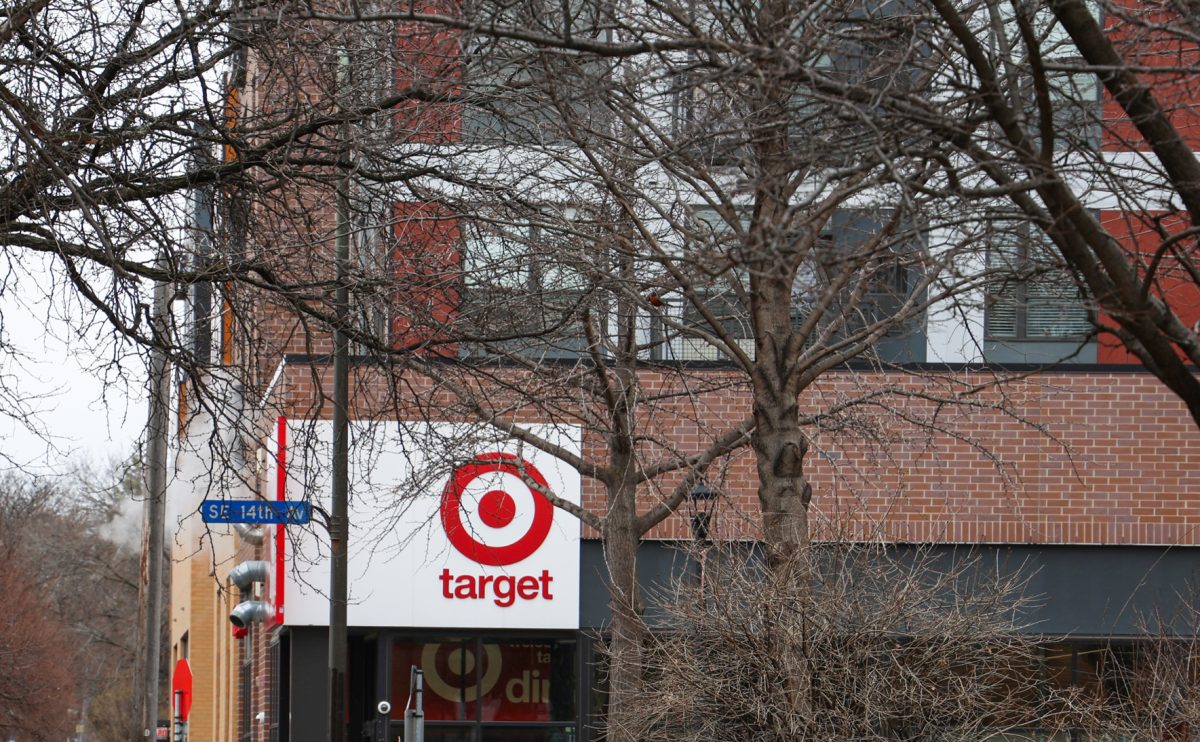
Pastor Jamal Bryant, a pastor at an Atlanta mega church, announced the end of the “Target Fast” on March 11, which led to immediate controversy, reported USA Today.
Local Minnesota activist groups held a press conference that same day, stating that the local boycott is still ongoing.
Two days later, Bryant issued an apology on his podcast series and retracted his statement.
“I was reading from a different sheet of music,” Bryant said. “I made assumptions that were not true. I want to apologize for what the community wanted and what the community demanded.”
Nekima Levy Armstrong, a civil rights attorney and the founder of the Racial Justice Center and the Target Boycott in Minnesota, said the apology was not enough.
“To me, it wasn’t a genuine apology because I told them back then that this would cause confusion,” Levy Armstrong said. “I also raised concerns about them trying to co-opt the movement, and they didn’t listen.”
Bryant and other church leaders started the national Target Fast after the call for a national boycott in Minneapolis and Cleveland, Bryant said in the video.
They quickly demanded the reinstatement of diversity, equity and inclusion programs, $250 million to Black-owned banks to honor the $2 billion pledge from 2021 and donations to 10 community centers for Historically Black Colleges and Universities. The boycott was originally supposed to last 40 days and end on Lent or Good Friday, but it lasted about a year.
Levy Armstrong said she voiced her concerns about the Target Fast joining in with the boycott in
2025.
“When we realized that they were co-opting the movement, they wouldn’t take the concerns seriously. They were gaslighting us,” Levy Armstrong said.
University history professor William Jones said massive boycotts can sometimes lead to confusion.
“I mean, that’s a challenge to any social movement, right? That understanding who’s making the decisions, who speaks for the movement?” Jones said.
Target has been under scrutiny for the pullback of its diversity, equity and inclusion programs.
After the murder of George Floyd in 2020, Target announced the formation of the Racial Equity Action and Change plan in 2021, and later an increase in black representation of its workforce by 20%.
Along with these programs, the retail store announced it would invest in black-owned businesses, donate to Historically Black Colleges and Universities programs and more.
That changed last year in January, after President Donald Trump said he would end the tyranny of diversity, equity and inclusion policies in the private sector and the federal government.
Target announced it would be ending REACH and its participation in the diversity-focused survey on Jan. 24, according to Retail Brew.
Target still has programs implemented in 2021 that it is fulfilling, such as a $2 billion investment in black-owned businesses, but REACH has not been reinstated.
The national boycott has affected the company’s bottom line. The company lost $20 billion in shareholder value and its stock decreased by 33% this year, Investopedia reported.
Target was not the only business to roll back its DEI programs after the Trump administration said it would end them, Jones said. Target’s previous promises and programs led it to receive criticism.
“I think that one of the frustrations that many people had with Target was that just because the president issued a proclamation or he issued an executive order banning DEI, he didn’t have the power to change Target’s policies,” Jones said. “They were essentially following an order that didn’t have any legal basis.”
Jaylani Hussien, the founder of CAIR Minnesota, said ending the programs was deeply concerning to Minnesotans.
“They made investments in this community after the murder of George Floyd. They made that investment and those commitments to us here in Minnesota because they’re headquartered in Minnesota. They are a company that historically have benefited from our community,” Hussien said. “They’re a hometown company. And they betrayed us first.”
Now other organizations are asking more from the retail business.
In a statement, the Minneapolis Federation of Educators said they are joining in solidarity with the Racial Justice Network and CAIR-MN.
Along with a local boycott, the American Federation of Educators asked educators to shop at local stores for supplies for the next school year to put pressure on the company to call for the prosecution of the federal officers who shot Alex Pretti.
Armstrong said with the confusion gone, the Target boycott here will continue indefinitely until their demands are met.
“We’re not helpless and powerless when companies disrespect us or choose not to walk the talk, or what they say is important to them,” Armstrong said.