The city is trying to slow down drivers with its new traffic camera safety pilot program, which launched in October and is hoping to expand by next month.
The cameras take a picture of the license plate of cars going 10 mph or more over the speed limit.
After the first violation, the person speeding receives a warning. After the second violation, the driver will receive $40 in fines. Drivers going 20 mph over the speed limit are charged $80.
Ethan Fawley, Vision Zero program coordinator, said the idea for the traffic safety camera pilot program came after Minneapolis started Vision Zero, a goal to reduce car crash deaths to zero.
There are currently five safety cameras in Minneapolis:
- 18th Ave. and NE near Central Ave. NE
- Fremont Ave. N near West Broadway Ave.
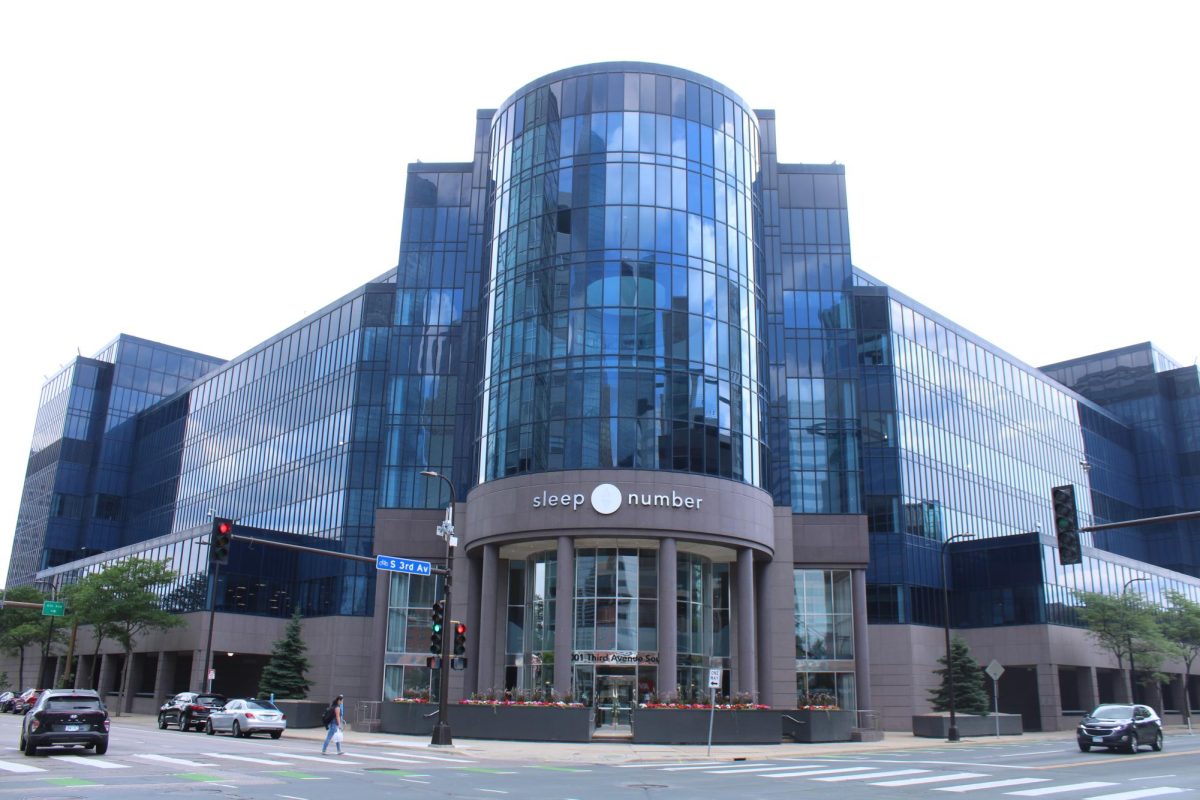
- 3rd St. N near 1st Ave. N
- Chicago Ave. S near Franklin Ave. E
- Nicollet Ave. S near 46th St. W
Fawley said people can opt into a free traffic safety course after the first fine. It will not appear on people’s records or be used to revoke their license.
“So what we’re really trying to do is just reduce that unsafe speeding or red light running, while not being overly punitive,” Fawley said.
City Council member Katie Cashman (Ward 7), chair of the Climate and Infrastructure Committee, said she supports the program because it aligns with both the city’s climate and safety goals. She said it will make Minneapolis roads more pedestrian and biker-friendly.
“As the Council Member who represents parts of both Downtown and Uptown, the number one issue I hear from constituents is to slow down speedy cars,” Cashman said in a statement. “From hustling to an event on Hennepin to leisurely strolling around the lakes, everyone deserves to be safe from speeding vehicles.”
According to city data from 2017 to 2020, about 150 people each year died or were severely injured by traffic crashes.
In 2024, there were 16 car crash deaths and an additional 145 severe injuries from crashes, according to the Vision Annual Report.
The effects of car crashes can lead to people feeling unsafe in their own neighborhoods, said Jeremy Leach, the London campaign coordinator for 20’s Plenty for Us, a UK-based non-profit focused on lowering the speed limit.
Leach said London implemented red light cameras in the 1990s and its own Vision Zero Program in 2018. The Vision Zero Program raised awareness for street signs last year with 20 is Plenty for Us. The city officially lowered speed limits on residential streets in 2024, according to the Minnesota Daily.
“There’s the overall impact it has in terms of casualties, but then there’s a huge issue around the other side of it, which is intimidation,” Leach said. “So the most significant factor that puts people off walking, puts people off cycling, is fear of road traffic. And intimidation is all part of that.”
Car crashes have a disproportionate effect on transportation equity priority neighborhoods, which are areas with more people of color and low incomes, according to the Minneapolis safety data.
From 2017 to 2021, about 43% of severe car crashes happened in low-income neighborhoods.
Fawley said the first evaluation of the program will be done sometime in November. If the program does well, it will expand to 11 other locations around Minneapolis, he added.
Fawley said he hopes the cameras can get Minneapolis closer to the Vision Zero goal.
“It’s that safety impact is just a core impact to people in our community,” Fawley said. “And we have a responsibility as a city to make it safe for everyone to move around.”