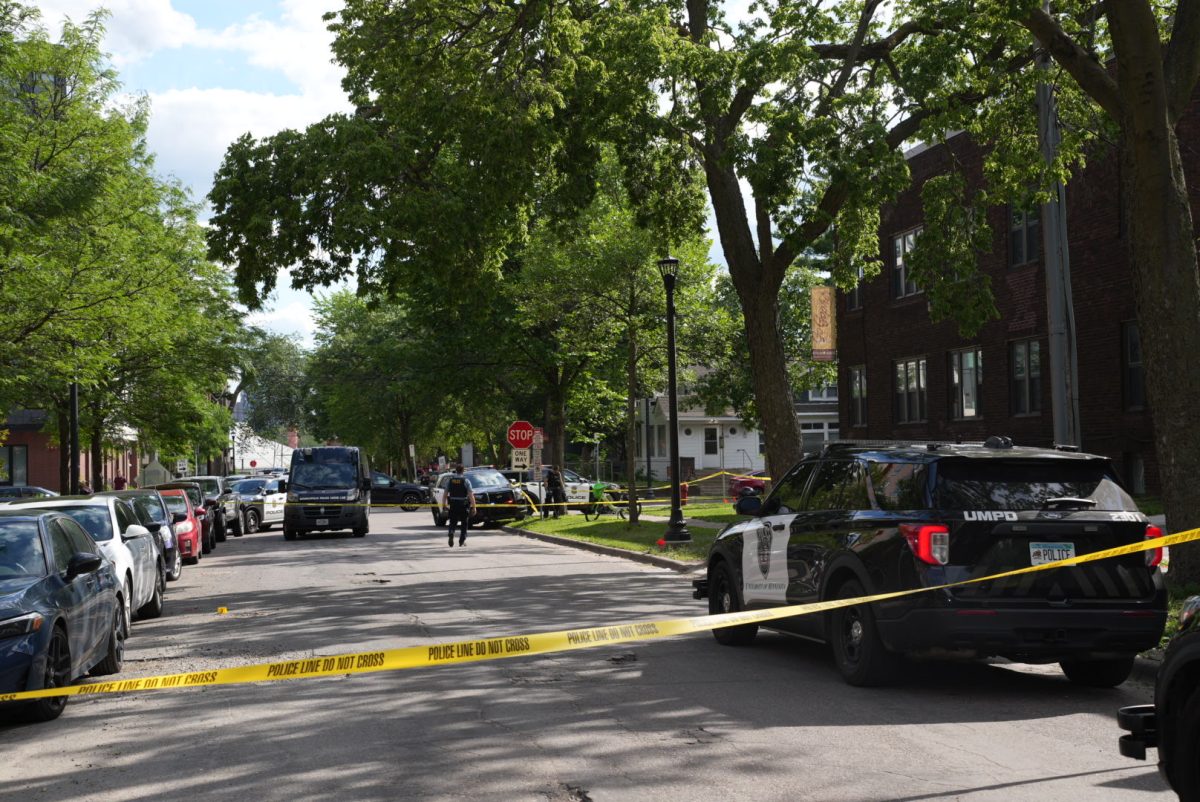

In December, U.S. Immigration and Customs Enforcement in plainclothes posed as customers at Crumbs & Coffee cafe in Brooklyn Park, then lured the chef into the parking lot and detained him.
The moment marked the end of the cafe for owner Charles Spies.
With the cafe’s team morale shattered by the loss of the chef, who had a legal work permit, and after two months of missed rent payments as sales fell by 60%, Spies shut its doors.
The cafe had just opened in 2025. Spies, a Brazilian immigrant, invested more than $200,000 to open his dream shop. Sales were steadily increasing every month.
Then, business slowed in the fall as his Latino, Somali and Asian customers stopped showing up amid intensifying ICE activity, according to Spies.
Spies is now trying to keep his St. Paul restaurant, Little Brazil Market and Cafe, afloat while carrying about $60,000 in debt. Little Brazil is two months behind in rent payments. The restaurant used to bring in about $15,000 a week. Now it is around $5,000.
“I haven’t paid myself a salary in four months so I can continue paying employees,” Spies said. “We’re all in survival mode right now.”
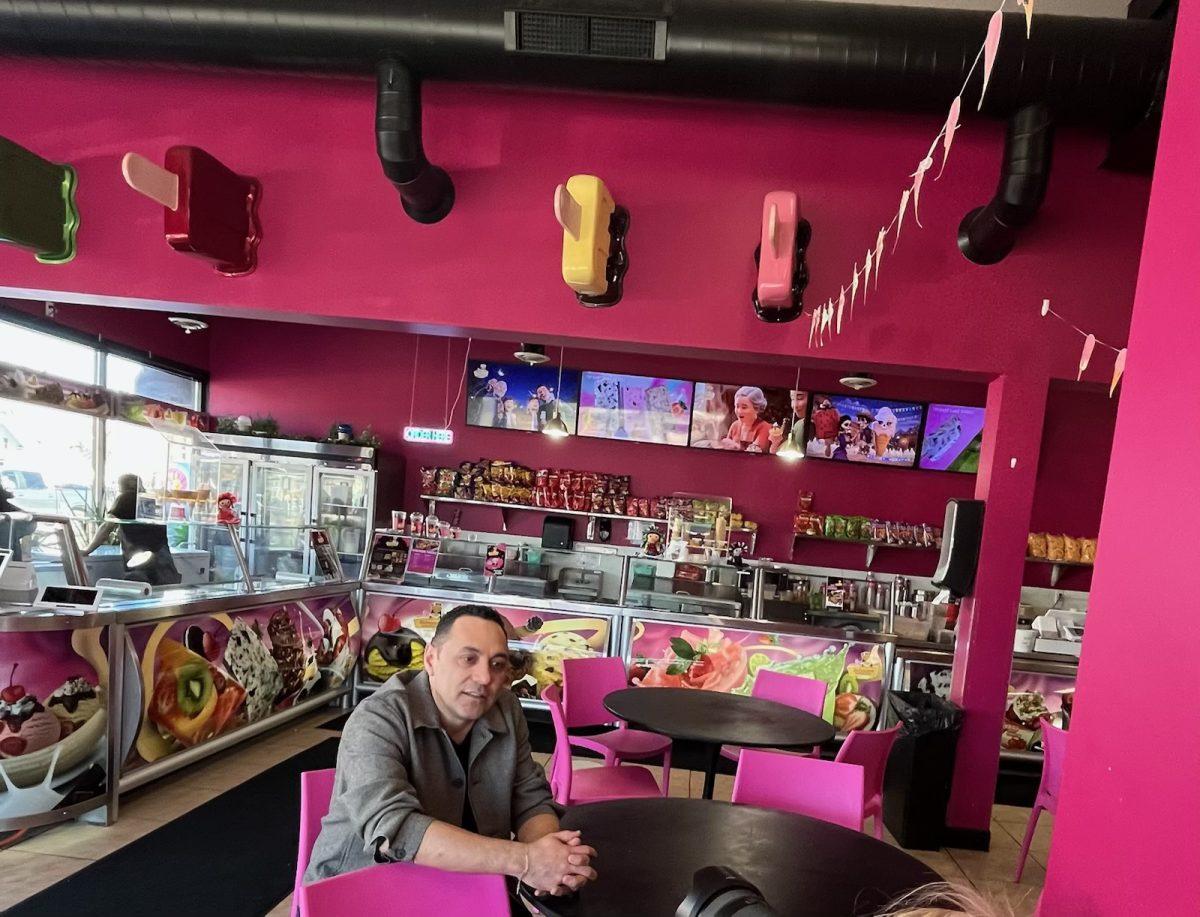
La Michoacán Purépecha, a Mexican treat shop that operates 11 locations across the Twin Cities and Minnesota, faces similar challenges.
Ricardo Hernández Espinoza, owner and immigrant from Michoacán, Mexico, said the customer base is 80% Latino. He said Operation Metro Surge has brought a 60% drop in sales.
Espinoza opened La Michoacán Purépecha in 2018, investing his 401(k) and all his savings into the shop. He loves seeing customers relive nostalgic memories after tasting a Mexican-style popsicle they have not had since immigrating as a child, or hearing kids yell “La Michoacána” when he delivers the shop’s treats to homes.
“You can’t buy that. You just can’t,” Espinoza said.
But faced with so much financial uncertainty last December, a powerful thought came to Espinoza: What if he cut his losses and walked away?
“It was very hard for me to think about that,” Espinoza said. “It’s a crazy thought, but it’s one of those things that you had to put into consideration.”
Espinoza resolved to wait for his business to recover.
With hundreds of ICE agents remaining in Minnesota, Espinoza has seen a slight increase in customers, but is still missing about half of his usual sales.
While grateful he did not close his shops, Espinoza said if sales do not reach at least 70% of previous levels in the coming months, he may be forced to begin closing some. Already, he has laid off employees in stores with slower traffic. He anticipates business will continue to pick up, but not to its full extent.
“I don’t think we’ll ever get back to 100% anymore because of the damage that has already been done to our customers and our people,” Espinoza said.
Before Operation Metro Surge, business was thriving. Espinoza opened a Latino restaurant on Lake Street in 2025 and had plans to continue expanding. He has since canceled a separate expansion project in St. Paul, despite already investing more than $100,000 into it. He estimates the expansion could have generated at least $1 million in additional profits.
The city of Minneapolis reported in February that ICE activity has resulted in $81 million in losses for restaurants and small businesses and $47 million in lost wages.
Both Espinoza and Spies testified at a Minnesota Senate hearing in February and called on lawmakers to establish financial support for small businesses affected by the enforcement surge.
Espinoza said while Latino-owned businesses have taken some of the greatest hits to sales, many businesses are struggling. Spies said grants and low-barrier loans could help struggling businesses stay afloat.
St. Paul Mayor, Kaohly Her, also testified at the Senate hearing.
“I’ve visited numerous businesses, and they all tell me business is down double digits, for most, they are down 60-70%,” Her said. “Many tell me that they can’t even make rent.”
The Minneapolis City Council unanimously passed a $7 million Small Business Resiliency Fund in February and called upon the state and federal government to pass further aid. The federal government has not indicated it will step in to help. Further aid from the state legislature remains uncertain and would take months to be dispersed.
Espinoza said some businesses may not survive the coming weeks. For now, survival largely depends on whether customers feel safe enough to return.
Spies said any community support for small restaurants makes a difference.
“Any small place people can go to right now needs that support,” Spies said. “We invite everyone to come and just visit us, give us a try and give us some love right now because we really need it.”
Community mutual aid has raised millions for rent relief for residents and business owners in the past few months, while statewide protests have continuously condemned ICE agents’ presence. For Espinoza, that’s been the bright spot through all the stress, and he cannot believe the support Minnesota has shown.
“I love Mexico because I’m Mexican. I love the United States because it welcomed me. I love Minnesota, and I love Minnesotans, how much they care about their neighbors,” Espinoza said. “I love Minnesota more than ever.”