While this may be the understatement of the century, COVID-19 had a serious impact on me growing up.
A global respiratory pandemic striking right as you prepare to make the transition into high school isn’t exactly conducive to forming new connections or maintaining a social life, especially for someone like me who used extracurriculars as a way to keep in contact with others.
Out of this nebulous time of janky Zoom classes and constant COVID-19 tests came one beacon in my life: Discord. On this chat platform, I could constantly talk with my friends, hop on voice calls for game nights and even make new friends from around the world, all without breaking quarantine.
Discord and other chat apps played a vital role in my high school experience, and that role has continued, even as previous pandemic concerns have faded into the background. From my hometown to Morris, Minnesota, and to Washington, D.C., I still use Discord to maintain many of the relationships that have become harder to keep up with now that I am in college.
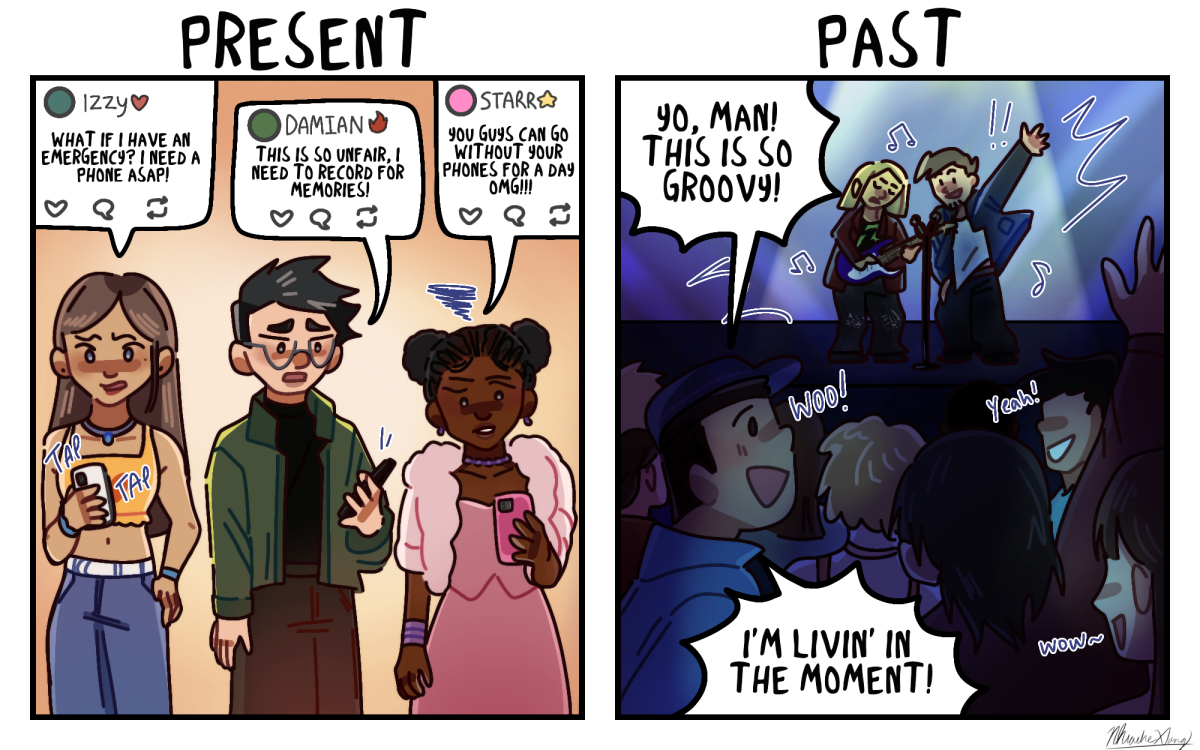
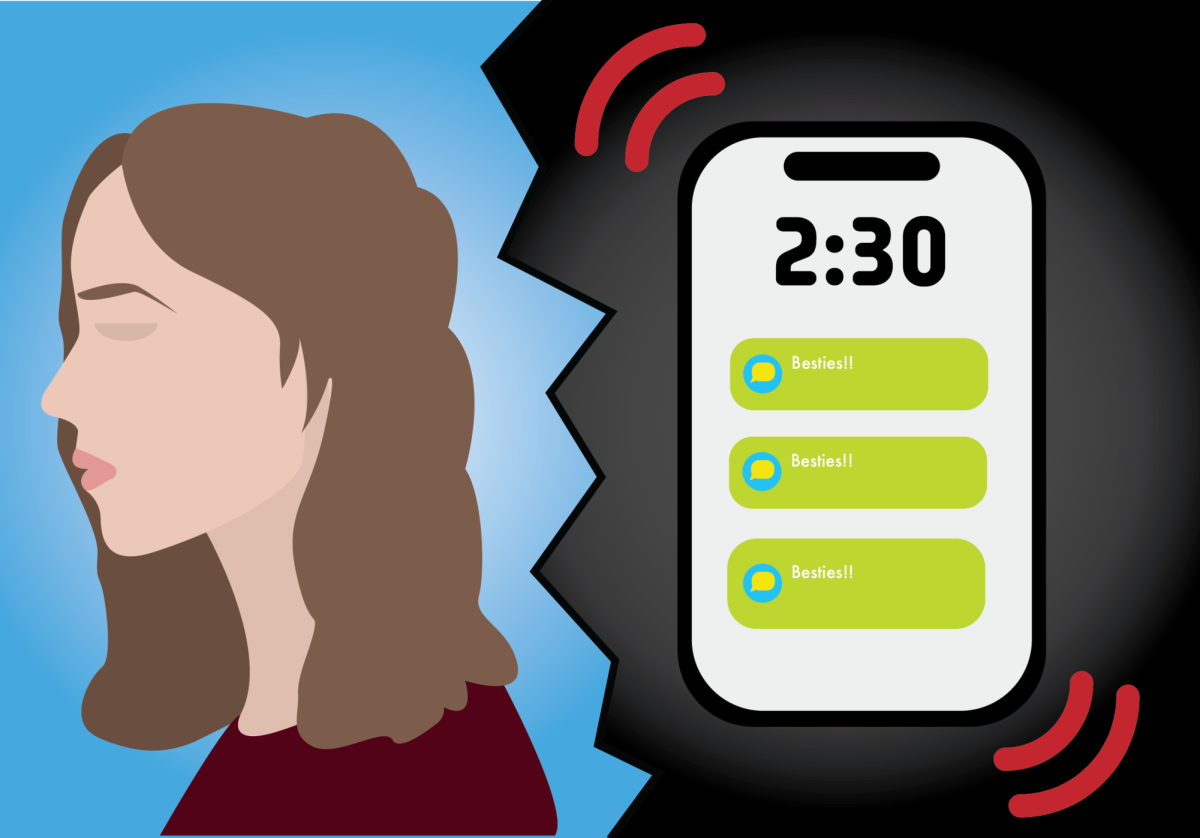
While this level of easy contact has been great, I have started to wonder if it is truly the same connection as I would get through in-person relationships.
University of Minnesota family social science professor Jodi Dworkin said while a large part of research has indicated that we usually use digital communication to build on existing in-person relationships instead of replacing them, the pandemic has led to both increased comfort with digital communication — and more people recognizing they spend too much time online.
“It’s certainly a different experience,” Dworkin said. “Talking to a friend online doesn’t ignite your brain in the same way those sort of in-person interactions can do, so there have just been high rates of people reporting they need to take a break.”
While a 2023 report from the United States Surgeon General on loneliness and isolation noted technology provided numerous social benefits — including staying in touch with family and finding new support networks — it also noted several drawbacks that could lead to increased loneliness and decreased social connection.
A review of more than a thousand studies published earlier this year by researchers from universities such as Harvard, Ohio State and Brigham Young found that many of the benefits, positive emotional responses and engagement from socialization are reduced when communicating digitally. Though it also noted that digital communication may reduce anxiety amongst shy people.
In my experience, it’s dangerously easy to fall into the same pattern of digital communication, putting on a facade of contact that isn’t quite as genuine or impactful as other kinds of interactions would be. In a way, it’s a similar problem to social media: the distance can allow you to more easily select what you want to show to others.
I’m not saying exclusively in-person chats are productive or healthy, as I have been in many voice calls and text threads that have allowed me to open up in ways I couldn’t in person.
The key is to be aware of how you use online communication methods to your benefit while avoiding patterns that may not necessarily be healthy.
Dworkin said while everyone’s preferences are different, figuring out what modes of communication you and the people you talk to are most comfortable with is important, as well as identifying which forms of communication you may want to use for more serious or impactful conversations.
“The easier it is to maintain those relationships, the more likely people are to do it and stay connected,” Dworkin said. “So hopefully, as we have more tools, apps and access to devices, people can sort of better pick and choose what tools to use for which type of communication and which relationships.”
While I have become accustomed to text chats as a general rule, that doesn’t mean I don’t have weekly voice calls with different friend groups or lengthy phone calls with family now and then. The trick is finding the balance that allows you to maintain relationships while benefiting from the conveniences of technology.
Dworkin said there have always been ways to maintain relationships across distances, and our increasingly digital world has just given us more tools to choose from.
“If we can think about digital communication as just another way to maintain those connections, closeness and ties when you may not be seeing someone every day or are at a distance from somebody, it just provides a way to stay connected about someone’s daily life, for example,” Dworkin said.
While social distancing has gone the way of the dodo, it’s clear to see that digital communication is here to stay, and there’s no denying the positive impacts it has had on my social life.
However, every tool has its drawbacks, and we must take a step back and examine what effects these tools may have on us. Even looking back at digital conversations you’ve had and checking how engaged you were at the time is a great first step towards online social self-awareness.
As our world becomes more interconnected digitally, it’s up to us to make sure we are making the most of these connections.