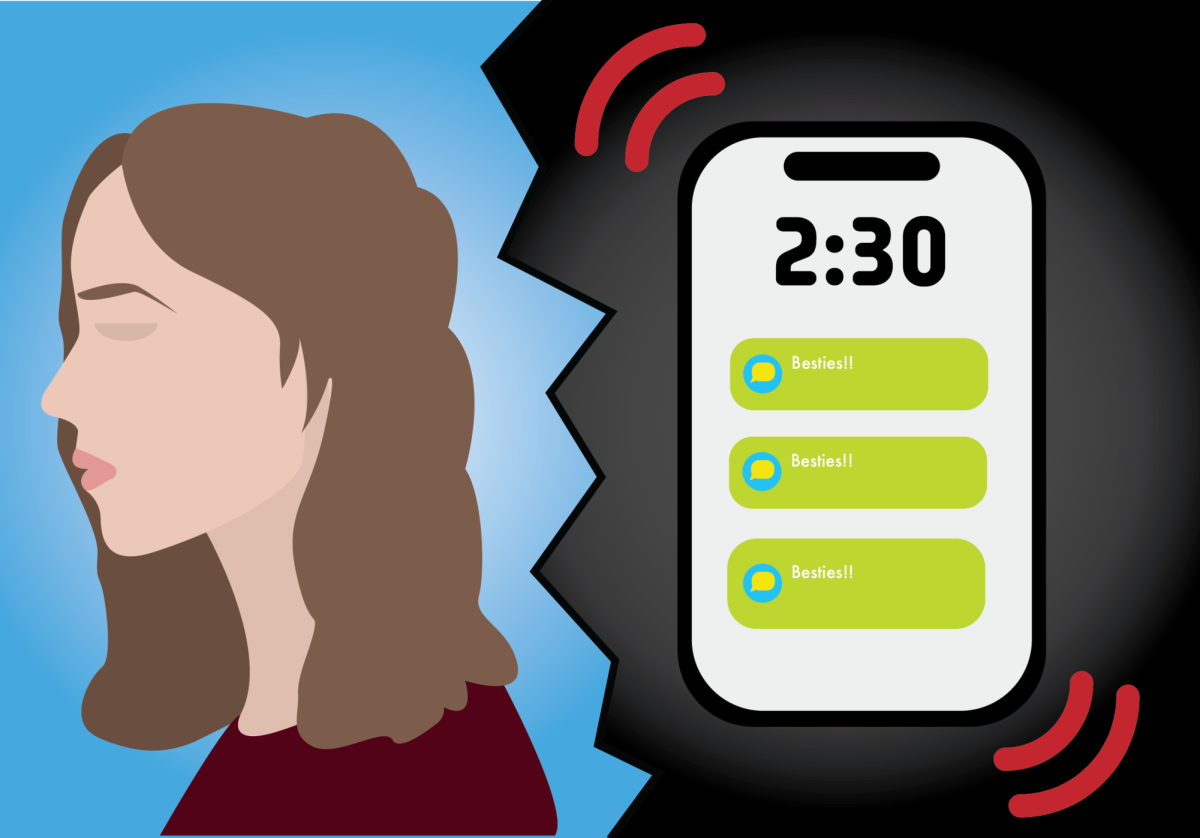
If you walk around campus at this point in the semester, I guarantee you will see the same things: bleary eyes, drooped heads and enough caffeinated beverages to sustain a small nation.
Exhaustion and sleep deprivation are seemingly ubiquitous in the college experience. From 8 a.m. classes and all-consuming midterms to parties and late-night gaming sessions, we have the unique ability to find every reason imaginable to neglect sleep for the supposed benefit of other parts of our lives.
It may be hypocritical for me to be talking about this at all, given the fact that I started writing this column at 11:45 p.m. on a weekday, and my typical sleep hygiene could generously be described as lacking.
It’s not just the lack of sleep that’s the issue, as everyone will have to stay up for whatever reason now and then. The real problem is that missing sleep and surviving on caffeine has become something that is idolized, or at the very least, not discouraged.
University of Minnesota third-year student Eva Tutak usually gets between eight and nine hours of sleep, the amount of rest she says is necessary in order to be able to work and exercise. She has seen others get much less sleep and try to survive on caffeine, which is not an experience she envies.
“I feel like I’m really cranky if I don’t actually get sleep,” Tutak said. “I feel like freshman year, I went through a bad cycle of only getting five to seven hours.”
University psychology associate professor Liza Meredith said, while irritability and other minor mood effects can be associated with occasional sleep loss, more prolonged sleep deprivation can increase students’ risk of depression, anxiety and difficulty learning.
“We live in a productivity culture that takes a lot of pride in being a hard worker,” Meredith said. “And sleep loss is equated with, kind of, being a grinder and getting things done, and maybe that is seen as a badge of honor compared with getting good sleep.”
While estimates vary from study to study, college students on average sleep for around six or seven hours a night, skirting below the seven to nine hours recommended by organizations like the American Academy of Sleep Medicine.
No matter how much we are able to get done at night by eating into our time for sleep, it doesn’t change the fact we would probably be even more efficient if we were well-rested.
“People are spending a lot of time on their phones, and they’re probably not getting other things done,” Meredith said. “So my sense is that people are probably also having sleep loss because they still care about getting good grades and they want to perform well academically, and they haven’t gotten everything done that they expected themselves to get done in a day.”
In a world where 70% of college students get insufficient amounts of sleep, we must stop putting sleep loss on a pedestal before our campus is filled with irritable zombies by finals season.
“I don’t know if giving people more time on assignments and not giving people smaller amounts of time, if that would give them more ease to work on it over time instead of being like ‘Oh shoot, it’s Monday, this is due tomorrow’ and you have to get it done,” Tutak said.
University third-year student Audrey Dicks said changing our mindset about when we do things could help combat sleep loss in college.
“I feel like you just have to tell yourself, ‘My phone will be there tomorrow, everything online will still be there, my homework assignments will get done,’” Dicks said. “You might as well just sleep first so that you can do it faster and more productively.”
Meredith said we should be patient with ourselves when trying to change these behaviors. But, there are also a wide variety of things that can help improve sleep habits, such as establishing a sleep routine, limiting caffeine consumption to the early morning and trying lower-effort activities before bed, she added.
“It’s hard to change behavior,” Meredith said. “It’s not always easy to stop being on your phone, go to bed earlier, not procrastinate, so if these are things you are struggling with, it’s understandable if you can’t instantly change them. It often takes a lot of work and energy to make a big change in life.”
I’m not advocating for everyone to instantly switch over to getting nine hours of sleep. Life is complicated and doesn’t always allow for that amount of rest.
Even though I started writing this column late at night, I budgeted my time and set my alarm for 30 minutes later than usual. It may still be less than what is recommended, but any sort of progress is still something.
Missing sleep is not glamorous, meritorious or cool. While I would absolutely have sympathy for those who feel the need to stay up late to get things done, this habit can be detrimental to mental health in the long run.
So, for our own sake, and the sake of the teachers who have to grade our work, no matter if we are sleep-deprived or not, let’s take steps to improve our sleep schedule. I doubt we will regret spending more time in bed!