As we move into the new year, a wave of reverence for the past has begun to take over Generation Z. We’re returning to our roots: Musical.ly, Kylie Jenner lip kits, Zara Larsson’s “Lush Life,” PINK and the Snapchat dog filter.
Social media is flooded with people calling for us to collectively go back to 2016 in 2026, and while it might not seem like it means much, our generation clearly longs for a time when life seemed more stable.
2016 was a time when most Gen Zers were in middle school and high school, before Donald Trump was elected president and before the complete isolation of the COVID-19 pandemic.
As we moved through the years, our world and our surroundings seemed to become murky and confusing. These feelings were coupled with the fact that Gen Zers are becoming adults for the first time, learning how to navigate on our own in a world that has changed significantly from when we were kids.
University of Minnesota journalism professor Matthew Cikovic said nostalgia is often a response to strange and troublesome times.
Gen Z is becoming an incredibly lonely generation, and our economic and political systems add to that stress. The cost of living continues to rise, student debt is an ever-looming presence, and the burdens of being an adult are no longer a worry for your future self. To deal with the stress, Gen Z turns to times when we didn’t feel so weighed down.
A large part of our attachment to the past is connected to our collective desire to feel more bonded with each other, despite isolation, and to regain the whimsical and carefree attitudes that we possessed when we were younger.
Cikovic said nostalgia has always had complex ways of connecting us.
“Svetlana Boym, the late Russian scholar, talked about how with reflective nostalgia we can find community in our longing,” Cikovic said. “We can find friendship and groups of people that miss the past the same way that we do in ways that are healthy and productive.”
For Gen Z, turning to the past represents more than just a love for the specific aesthetics and popular culture of the time.
University second-year design student Sydney Steiner said bringing back the past also ties into a desire Gen Z has to feel more accepted. 2016 represented an era where people were trying new things and welcoming different styles, such as bright patterns and flashy trends.
“Especially after COVID, we kind of conformed because, you know, we were so stuck online,” Steiner said. “And I think that now we’re trying to break free from that conformity and embrace more individuality, which we saw a lot of in the 2016-2015 era.”
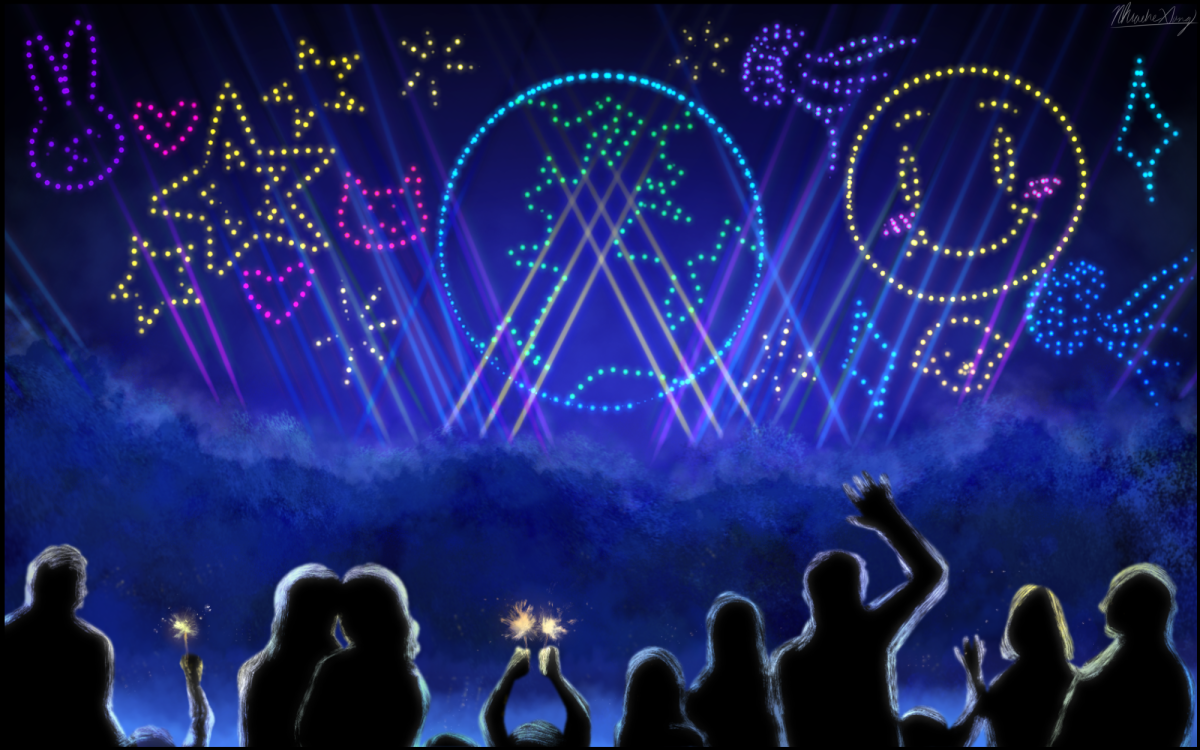
Steiner recalled attending a 2016-themed party with her friends recently, noting how listening to the cheerful, pop-like throwback music made her reminisce about how the 2016 era felt more lively.
The world appeared to be more fun 10 years ago. There wasn’t an online obsession with the clean girl aesthetic, and everyone seemed to appreciate being more unapologetically colorful, loud and messy.
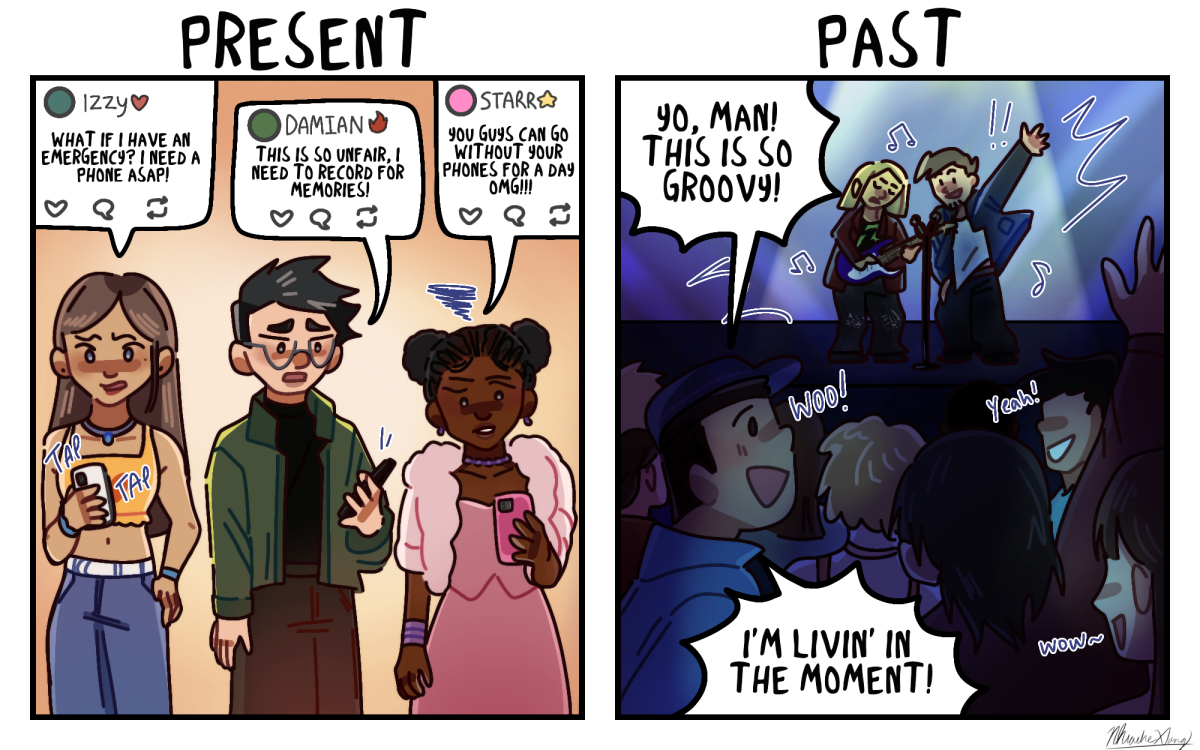
Although 2016 popular culture is fun to celebrate and look back on, it’s important to recognize the pitfalls of continually looking back at the past through rose-colored lenses. The issue lies in using nostalgia as a way to cope, rather than reflect.
Cikovic said when you become so into the past, you stop seeing it as something to be explored with others. Overwhelming nostalgia can lead people to get stuck in cycles of thinking everything in the past was good and everything in the present is bad, or not what it should be.
“Boym has a line that I think should be over every comment section of the internet, which is, ‘Unreflected nostalgia breeds monsters,’” Cikovic said.
Being continually sad about not living in the past will only make us more jaded and isolated than we already are.
Although it’s easy to lament about our current difficulties, of which there are plenty, it’s important not to let your love for the past lead you to give up trying to make the present a better time to live in.
Learning to take the positive attributes of past years — while also working to foster a better sense of community and understanding in the present — could be Gen Z’s greatest asset, as they navigate the future ahead.