We humans are complex creatures, and nowhere is this clearer than on social media.
A veritable buffet of the best and worst of humanity, social media is a cultural behemoth in our society. From casual hobbies to world events, it would be practically impossible to name something that cannot be found online.
Given all the information at our fingertips, which can be discussed with a few keystrokes, social media can also be an important way of interacting with our increasingly digital world.
University of Minnesota fourth-year student Joyce Wong said she uses social media posts in her feed to keep in touch with what is going on in the political world.
“It pops up pretty regularly on my feed, and I like to stay up to date with what’s going on federally, what’s going on on the state level, and locally too,” Wong said.
And yet, social media discussions about complicated topics, especially politics, seem to fall flat with regard to quality — as anyone who has used social media can attest.
Voicing an opinion online can lead to responses that wildly misconstrue your point, tone or intention, resulting in surface-level reactions that completely distort the complexities of the original message.
University political science professor Dan Myers said the format of social media doesn’t leave much room for large amounts of either context on the topics of discussion or users’ personal contexts.
“If we think of very classic social media, there’s just not the space,” Myers said. “The communication medium is just very impoverished compared to how we’ve evolved to communicate with other human beings.”
Further complicating matters, toxicity, hostility and anonymity can easily taint our conversations online. Trolling, logical fallacies and misinformation can be found across the internet and the political spectrum, from the depths of X and Tumblr to even comments on websites like the Minnesota Daily.
University second-year student Maire McCartney Jeffries said she doesn’t tend to engage with political comments, as she doesn’t feel like points will get across due to distance and frequent rage-baiting online.
“I feel like I could have a discussion about racism and politics in person with another person, but when it comes to online comments, I don’t know if it’s useful,” McCartney Jeffries said.
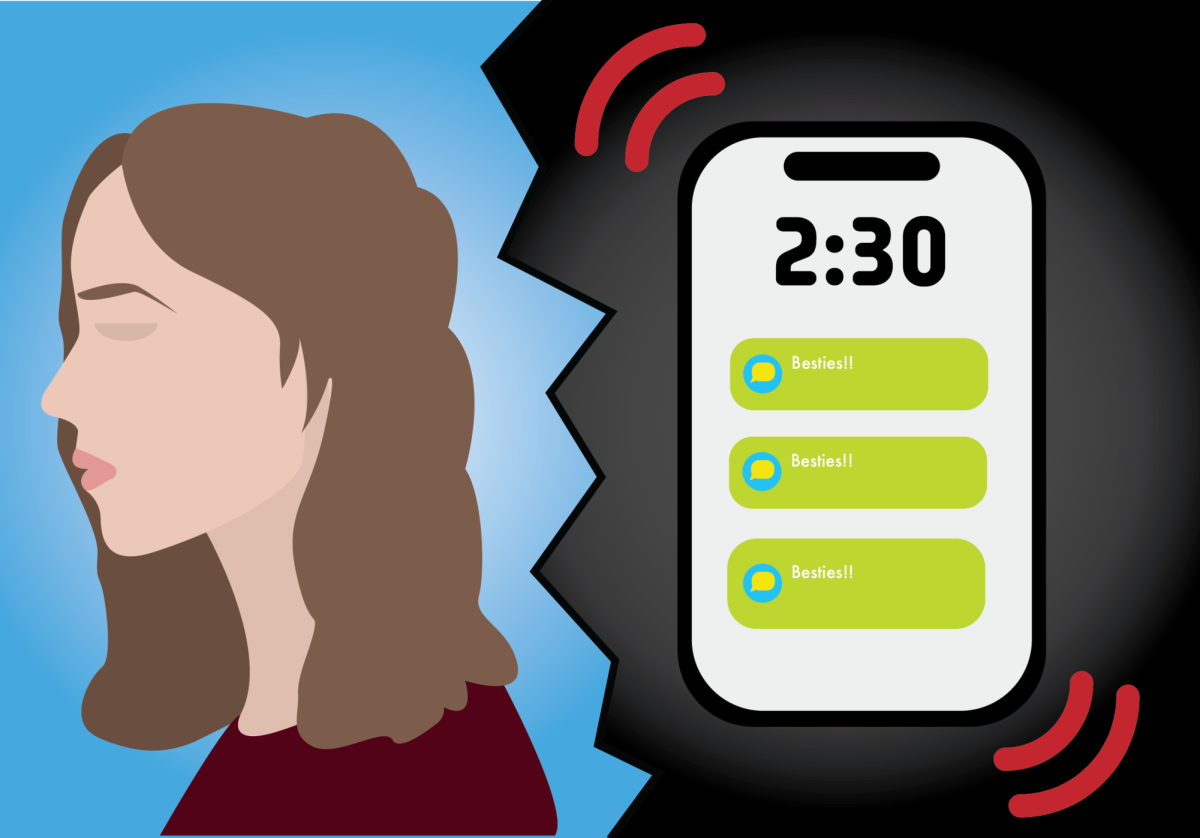
Inflammatory comments and content on social media can often overshadow the beautifully human parts of the internet, and they are unfortunately a growing problem. For example, a study found that hate speech increased 50% in the months following Elon Musk’s purchase of Twitter, now known as X.
Increased exposure to inflammatory content online can have significant effects on users as well. A study out of City St George’s, University of London found that more than 80% of interviewed members of a British fascist group cited social media as important to their conversion to the group. Some even directly attribute their radicalization to algorithms on platforms like YouTube.
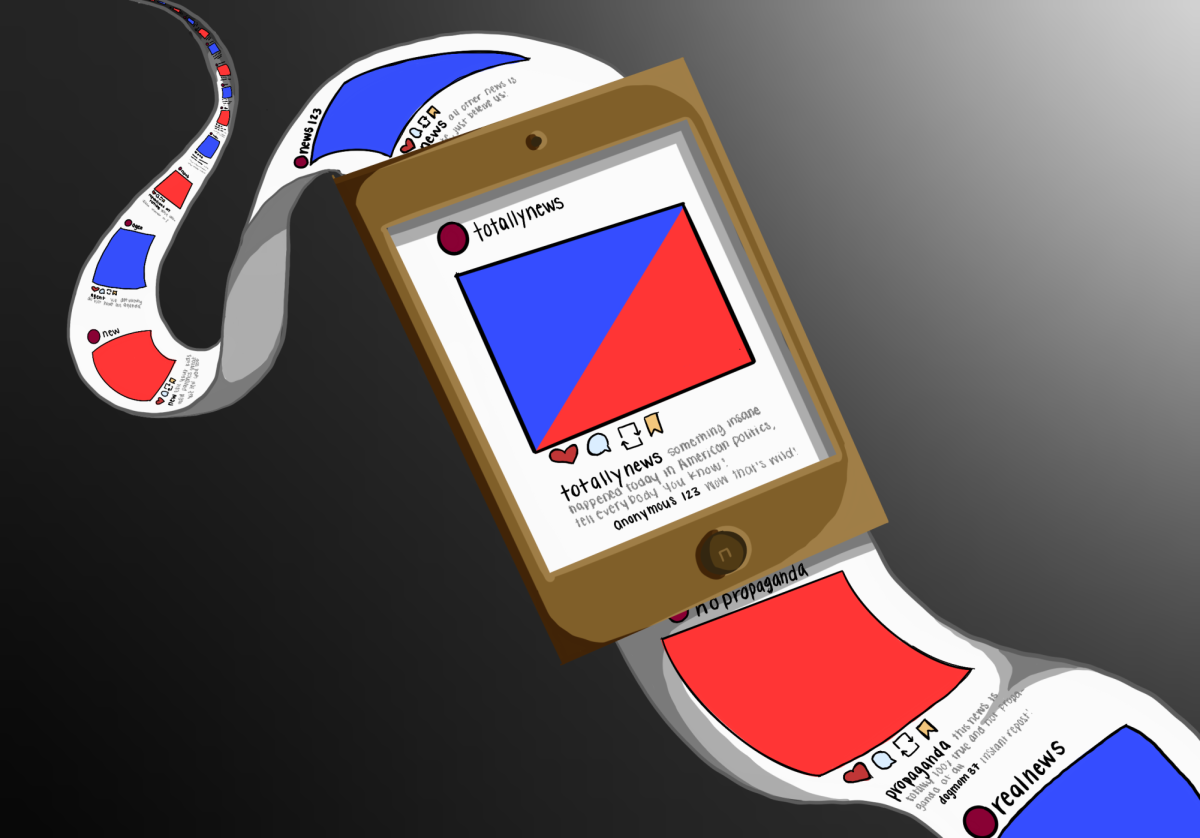
Myers said social media companies are incentivized to keep us engaged by exposing us to emotionally provocative content, which can effectively distort our image of groups or people we aren’t in touch with offline.
“They have incredibly complicated, very advanced machine learning algorithms — the cutting edge of that branch of computer science — to pinpoint exactly what’s going to keep you scrolling,” Myers said. “Often, that’s whatever evokes a very strong emotion, and so you’re going to see that and not other things.
McCartney Jeffries said she is often weirded out by the large presence of racist content on social media and how much attention and support these prejudicial posts receive.
“You can see all of these racists and stuff like that, and it’s like, how dumb do you have to be to say this out loud with everybody looking at it?” McCartney Jeffries said.
Given all of the problematic, uncomfortable and just plain stupid things on the internet, you would be forgiven for thinking political discussions on social media are a lost cause. I myself am increasingly tired of the hateful and misleading rhetoric I see online.
For Wong, online political debate or heated comments are rarely useful, as they can often further the political divide.
“You exist in a bubble on social media,” Wong said. “If you find something that you don’t believe in because you haven’t heard the other side, people can get super angry and upset.”
That doesn’t mean social media has no upsides to politics. For example, social media platforms allow public figures to speak to and interact with larger audiences, even providing real-time feedback through likes, comments and shares.
Myers said while social media may have some benefits, and addressing things like algorithmic curation may relieve some of its specific problems, this sort of minor fix can be compared to the various changes the cigarette industry attempted to make in the 1980s and ‘90s to make cigarettes “healthier.”
“At some point, you’ve got to decide if these products are things that can be made to serve or be non-destructive, or if these companies are fundamentally cigarette companies,” Myers said.
At the end of the day, slowing down and thinking critically about the political discussions we see online is one of the few ways we can work to bring nuance back into the digital world. We must try to be more aware of other users’ tones, cited sources and personal contexts before leaping to score a quick victory instead of having a sincere conversation.
Raising the bar for internet discourse is something we have needed to do for years now, and that also comes with introspection. If posts we see lack nuance or are intentionally provocative without real substance, we must consider whether our responses to this content are even worth making.
No complex social issue will be fully solved by online discourse, so we must readjust how much effort we put into these conversations to match that fact.