In the 21st century, it seems like nothing is able to shock the generation of young adults who were raised with immediate access to the internet. Online content is now being produced at a rate meant to satisfy and intrigue our brains, which have had uninterrupted doomscrolling privileges for most of our lives.
One of the best examples of content produced with little regard for its ramifications is true crime. Whether it’s a podcast, YouTube video or TikTok, it’s hard to escape the endless barrage of content creators recounting violent crimes like they’re the audience’s personal bedtime stories.
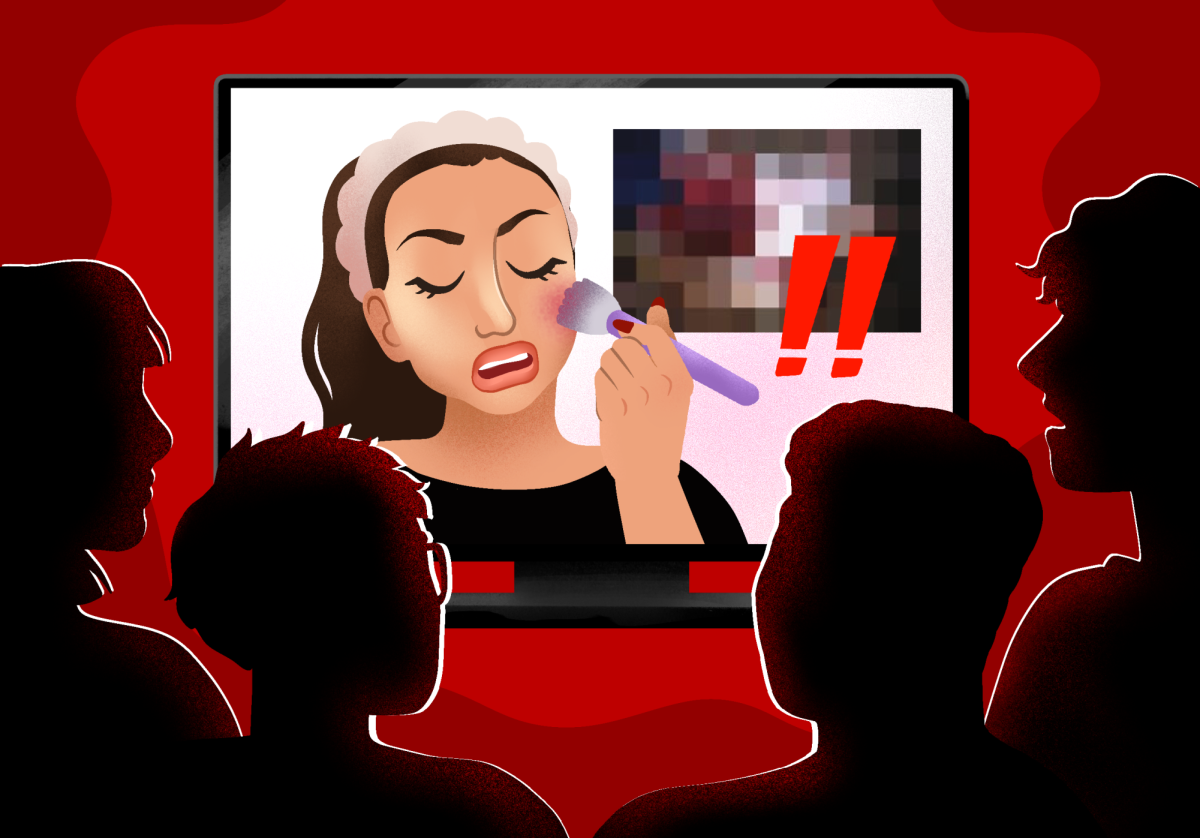
Gruesome murder and assault details are sandwiched between brand deals and makeup tutorials, and it makes me question exactly how we got to this point in our media consumption.
The problem is that we get bored quickly. Especially in terms of online content, it’s easy to try to hunt down the next gory retelling of a case or find a new, more detailed one, all in an attempt to pander to our vivid curiosity.
University of Minnesota communication studies professor Laurie Ouellette said we’ve seen a dramatic surge in the amount of true crime content produced.
“With that surge, we begin to think of true crime as entertainment, and so we might watch it differently than we would a serious documentary or a news report,” Ouellette said.
When content creators and consumers view criminal cases the same way horror fans view slasher films, it becomes easy to disconnect from the fact that the victims in true crime content are real people. It’s also easy to foster misconceptions about how and why violent crimes occur.
University Ph.D. sociology student Sara Kadoura, who has done extensive research on true crime content and how criminal processes are represented in popular media, said creators don’t have time to critically examine the systems of power at play.

“They focus on the goriest details for that shock value because it’s easy, it’s fast,” Kadoura said. “They know where to look for it.”
At the root of the issue is how true crime can dull our empathy for victims and their lives. It’s even more unsettling when you factor in that the population disproportionately affected by crimes involving intimate partner violence and sexual assault is women.
Our culture already has a problem with persistent violence against women. True crime content trivializes the lived experiences of victims, oftentimes focusing on gritty details rather than examining how these crimes happen in the first place.
Women, and victims in general, become the details attached to their cases. How they were killed, where they were found, when they went missing and what their injuries were all become fodder for the true crime junkie.
“A lot of true crime, when it addresses violence against women, it’s taking a kind of victim-oriented approach, which can also be problematic in the way that it’s done in an entertainment format,” Ouellette said.
When we continuously engage with this content, it becomes easier for us to get lured in by the cinematic nature of retellings and lose sight of the fact that real tragedy is being summarized for mass consumption. The trivialization that occurs in true crime doesn’t just treat victims as content farms, but also gives the average audience member a warped perception of real-life criminal cases.
“I think it gives people a false sense of danger in places where there isn’t, and maybe makes them less likely to see danger where it is,” Kadoura said. “A woman is far more likely to be victimized by somebody who they know personally than by a stranger, and yet a disproportionately high amount of true crime content has to do with stranger crimes.”
The cases depicted in true crime are often created to narrate something that resembles “Scary Stories to Tell in the Dark” more than an actual crime story that investigates every component of a case.
Kadoura said the accessibility of the internet makes it so anyone can weigh in on cases, even if they aren’t qualified to do so.
“Everybody can look at a Wikipedia page and come up with a really compelling story about murder really quickly,” Kadoura said. “The producers of these podcasts are not doing investigative journalism work, they are not finding this information out themselves.”
Factual errors matter because the content being published about a case ultimately becomes how the general public views its history and impact. When you rely on creators whose main mission is to garner an audience to recount a real-life tragedy, the narrative often falls short.
Kadoura said true crime didn’t always look the same as it does now. She said an early example is the true crime podcast “Serial,” which sheds light on the wrongdoing of the police and justice systems rather than focusing on the crime details.
We can’t do away with true crime content entirely, and I don’t think we should.
However, if we learn to take a serious look at the quality and quantity of the content we’re partaking in, we may be able to reach a more empathy-based approach to true crime.