


The University of Minnesota’s Teamsters Local 320 and the University of Minnesota announced in a joint statement Saturday that both sides had come to a resolution to end the Teamsters’ strike.
The University updated its Contract Negotiation Updates webpage and wrote, “Services will return to normal in the coming days.” Modified service information can be found here.
Teamsters returned to work Sunday while the tentative agreement was brought to members for a vote, the results of which have not yet been disclosed. Demands sought by the Teamsters included a 3.5% wage increase, stronger anti-harassment language for union workers on campus and a June end date to the previous contract.
Tensions flared over the week, with the University accusing strikers of misconduct in a Sept. 10 statement. In turn, Teamsters accused the University of underhanded PR tactics, according to a Teamsters statement. Conflicts between picketers and police circulated on social media, with 12 citations being issued outside Pioneer Hall on Wednesday.
TIMELINE
The Minnesota Daily has compiled an overview of the past week’s strike, detailing its key events and conflicts.
Tuesday
The Teamsters began striking Tuesday evening, with demonstrations occurring across Twin Cities campuses. The strike followed a Sept. 5 vote against the University’s “Last, Best and Final Offer,” with 82% of Teamsters members voting to reject it.
A systemwide email from the University called the Teamsters’ decision to strike “disappointing,” and emphasized the University’s obligation to be a good financial steward. The University email echoed language in a previous email sent out by Vice President for Human Resources Ken Horstman.
Wednesday
Demonstrations were visible across the Twin Cities campus on Wednesday, with several union members who spoke to the Daily criticizing the University for its refusal to meet Teamsters’ demands.
Teamsters steward Gavin Pendal, picketing on Como Avenue on Wednesday morning, said he believed University leadership’s sentiments of fiscal responsibility rang hollow.
“They spent the entire time in bargaining dangling quarters of percentage points in front of my bargaining committee,” Pendal said. “They’ve got the money. The president of this University makes $482 an hour.”
Pendal also pointed to a provision of the University’s offer giving a 0.5% raise to workers at the top of the pay scale — roughly half of the membership — as a tactic to sow division among the Teamsters. Richard Wollenberg, a food service worker at St. Paul Student Center, agreed.
“It is divisive,” Wollenberg said. “I would qualify for that (0.5% raise) myself and don’t want it.”
Other workers criticized the University for its stance on the contract end date.
Alex Wegrzyn, a gardener for the University’s Landcare team, viewed it as particularly unacceptable.
“It is really odd to sign a six-month contract; you cannot guarantee someone’s security for six months,” Wegrzyn said in reference to the second half of the one and a half-year contract. “We’re really looking for a long, full contract and wages that match what other unions are making on campus.”
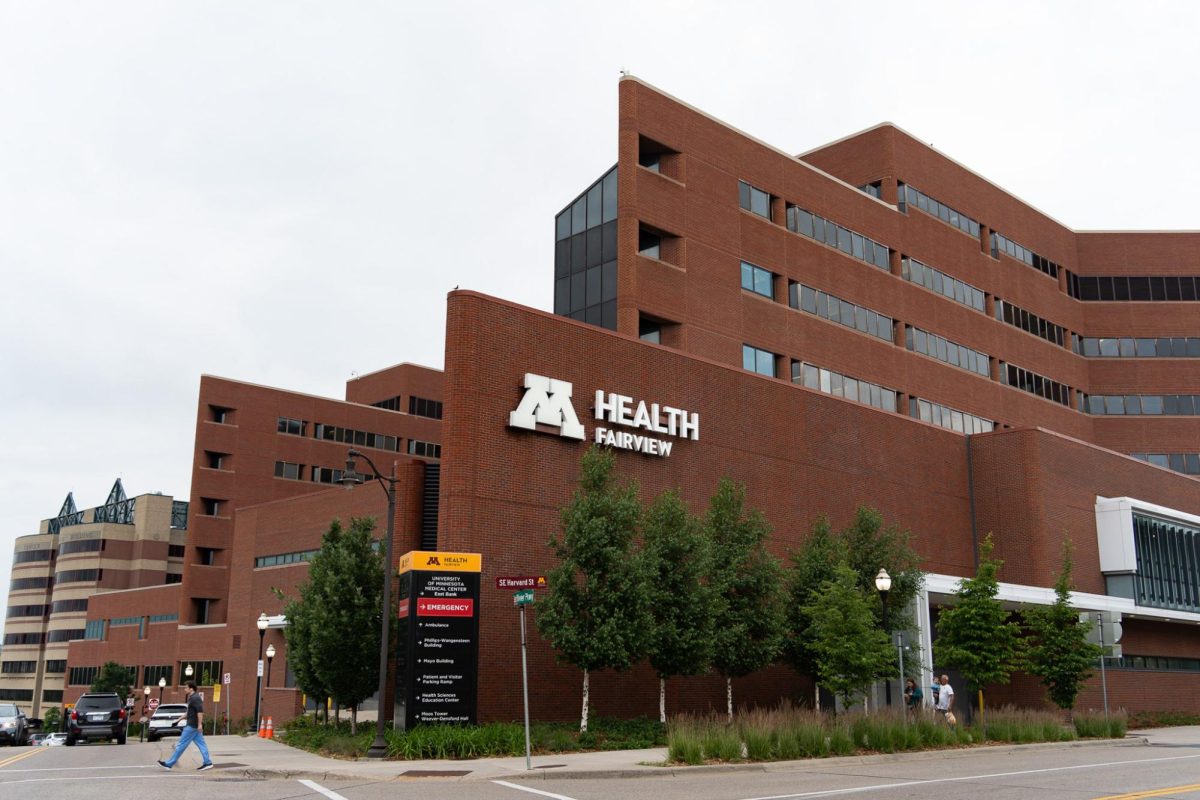
While strikes were ongoing, the University released a statement calling out alleged incidents occurring from strikers systemwide, including disruptions at M Health Fairview.
“This morning, picketers blocked deliveries of essential supplies to M Health Fairview University of Minnesota Medical Center,” the statement read. “Intervention from security services and police was required to ensure delivery.”
The statement also alleged that picketers threatened to report temporary workers to Immigration and Customs Enforcement.
Outside Pioneer Hall, 12 picketers were cited by police for obstructing a lawful order and released. Teamsters responded to the day’s events in a statement on Facebook, denying the University’s accusations that members reported temporary workers to ICE and accused the University of intimidation tactics.
Thursday
Strikes continued on Thursday. In a statement shared with the Daily, Teamsters member Grady Johnson disputed the University’s characterization of the strikes and accused the University of pushing the two sides further apart.
“Our strike is peaceful and we are united,” the statement read. “The administration needs to spend less time on spin and negative PR and driving the two sides apart, and more time bringing us together and getting this resolved.”
Neither the University nor the Teamsters reported any movement on the status of contract negotiations.
A previous update from the University indicated that operations such as public safety, student services, research, residence halls, dining and classrooms could be impacted by the strike. Reports from students were mixed, with some, such as undergraduate Eleanore Ternes, saying that the impact had not been problematic.
“Even though our dining hall hours are slightly reduced, we’d rather not be able to go get ice cream at 10:00 p.m. and have workers be paid fairly,” Ternes said.
The strikes also threatened the status of Farm Aid, an annual agricultural benefit concert being held at Huntington Bank Stadium Sept. 20. The organization made it clear that it would not cross any picket lines.
“Farm Aid has always stood with workers in their struggles for fairness, dignity and respect,” the statement read. “Our artists, production team and partners have made clear that they will not cross a picket line.”
The statement also said construction for the stage was set to begin Friday.
In conversations with the Daily, strikers reiterated they were prepared to return to work as soon as they received what they believed was a fair deal.
“We’re not asking for anything everybody else didn’t get,” said Lee Robinson, an employee at 17th Avenue dining hall. “Give us exactly what we deserve, as everybody else has already gotten, and let’s not make this more of an issue than it has to be.”
Friday
Teamsters held a rally outside Northrop Auditorium Friday evening with speakers, including lead negotiator Jackson Kerr and state Senator Doron Clark addressing a crowd of union members, students and local labor movement groups.
Speaking to the crowd in front of an inflatable rat, Kerr delivered an optimistic assessment of the strike.
“I’ve been everywhere around the campus,” Kerr said. “I’ve been to Morris, Crooks and Duluth, Twin Cities, and on our fourth day of the strike, I can tell you for sure that we are winning.”
Sen. Clark struck a similarly optimistic tone in his remarks to the crowd and emphasized the importance of the Teamsters to the University.
“We know that you are professionals, and you do your job well,” Clark said. “No replacement worker, no man in a suit can come and do the job better than you. We need you back at work, and they need to pay you for that work.”
At the time of the rally, no update on contract negotiations had been released from either party.
Speaking with the Daily following a march down Southeast Washington Avenue, Johnson disputed the University’s claim that it was waiting for the Teamsters to return to the negotiating table and made it clear they were ready to get back to work.
“I would pass out ballots tonight for a contract that had 3.5% [wage increase] for two years and an expiration in June,” Johnson said. “We could have that contract voted on and signed this weekend. When the University says they’re waiting on us, they mean they’re waiting on us to cave; we’re not going to cave.”
In a post on Farm Aid’s Facebook, organizer Willie Nelson said he spoke with Gov. Tim Walz about the strike.
“I spoke with Governor Tim Walz, and I’m grateful that he understands what’s at stake for farmers and Farm Aid,” Nelson said. “We both know that, ultimately, it’s up to the University to do the right thing, and soon, so that Farm Aid 40 can go forward.”
Later on Friday night, a tentative agreement was reached between the University and Teamsters, according to a statement released the following day. Teamsters returned to work on Sunday, while the agreement was put to a vote with union membership.
The tentative agreement extends for three years and expires in June, according to KSTP. Employees of all pay steps also receive a 3.5% raise in years one and two, and a 3% raise in year three. A new article on a respectful workplace for union members was also included in the agreement.
Saturday
A Teamsters Saturday morning statement declared the strike officially ended and celebrated the agreement.
“This was a hard-fought strike that we won on the picket lines and with solidarity from Teamster delivery drivers and other unions,” said Teamsters Local 320 President Erik Skoog. “We also must recognize the solidarity from the Farm Aid performers and event coordinators who refused to cross a Teamster picket line.”
In its statement, the University struck a conciliatory tone and looked to the future.
“We are ready to move forward by healing the differences from this challenging time and work together with our Teamster-represented colleagues to serve the University community and the State of Minnesota,” the statement read.
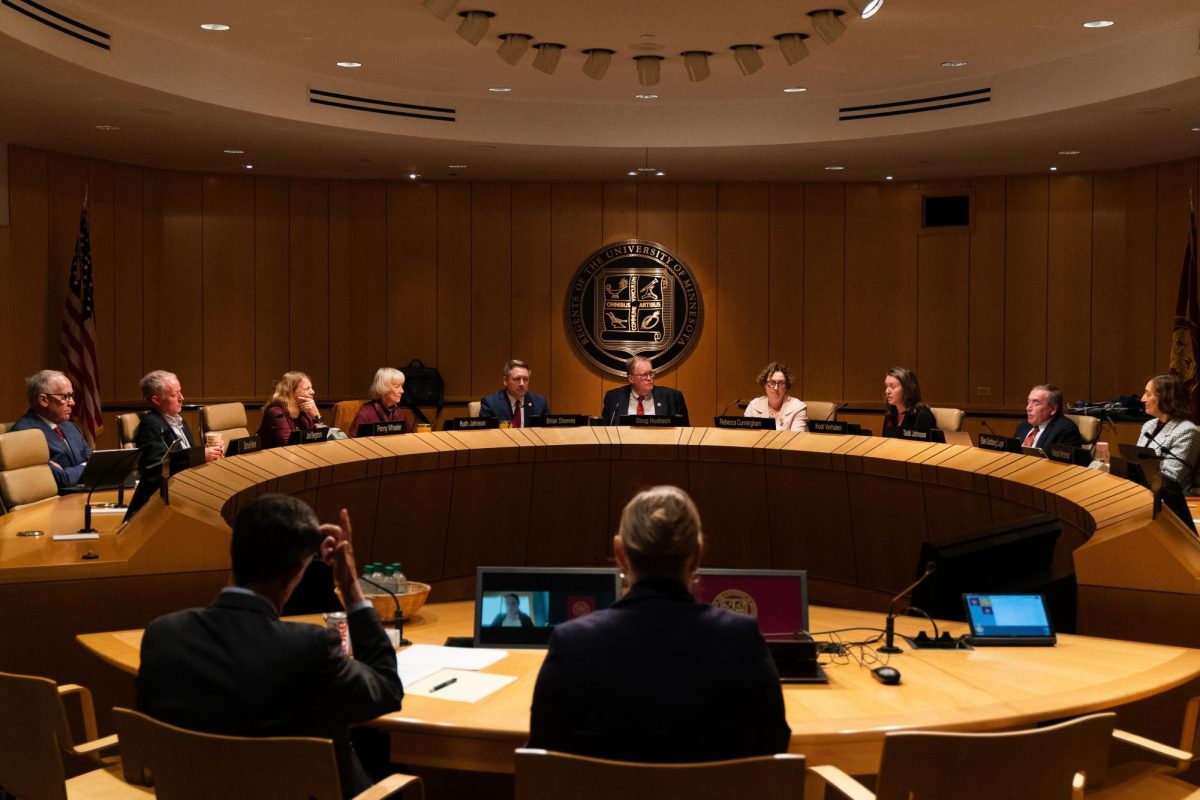
The results of the Teamsters’ vote are not yet clear. The University will bring the tentative agreement to the Board of Regents for a vote in October at a meeting to be scheduled.










Booker C.D.
Sep 18, 2025 at 10:34 pm
Hell yeah! Props to the timeline of this article, it’s very well written and easy to follow. I’m happy Teamsters got what they needed and how many refused to cross the picket line.