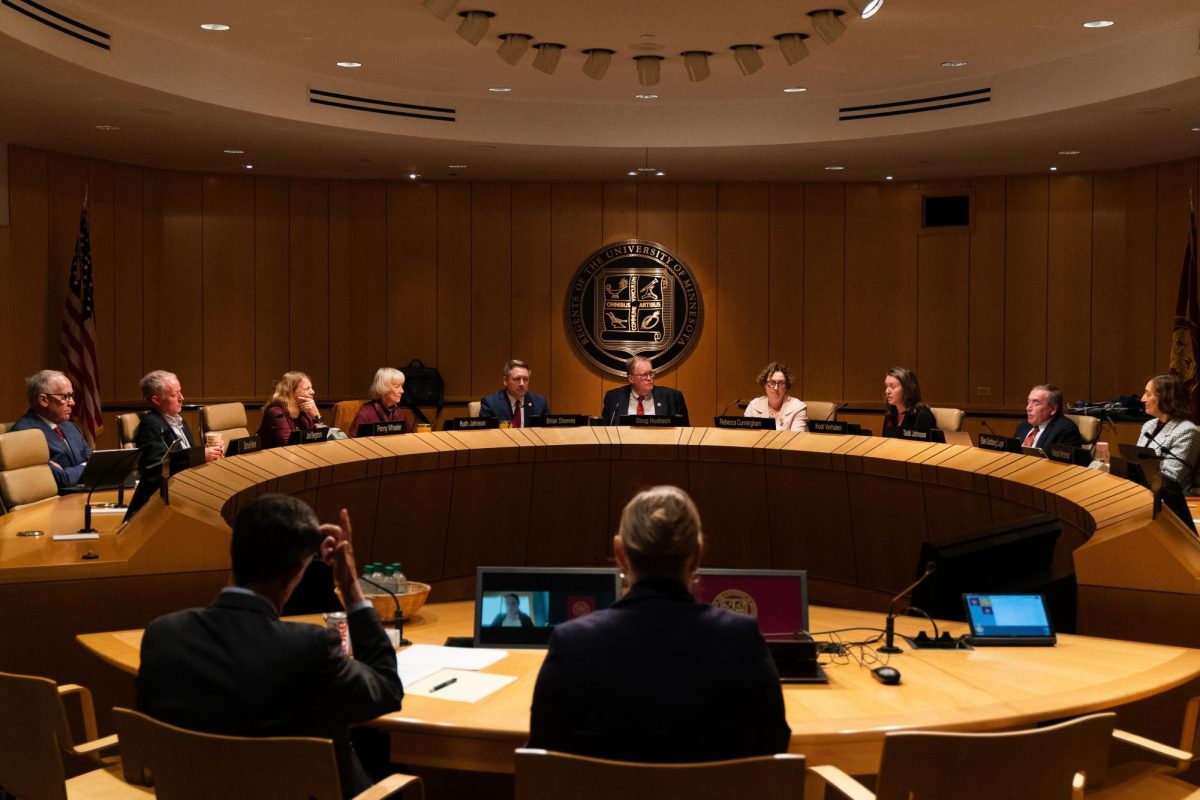
On Friday, the University of Minnesota’s Board of Regents voted to approve the 2027 fiscal year annual operating and capital improvement budgets. This will now mark the sixth consecutive year that students will face tuition increases and the second consecutive year for budget cuts, according to University records.
The vote cements the proposed 3.8% tuition increase across all campuses for resident undergraduate students, while non-resident undergraduate students will face up to a 4.5% increase.
In addition to the increased tuition, the regents approved $44.2 million in budget cuts, approximately $33.3 million of which cut academics — leading to an elimination of over 165 academic jobs and 64 supporting roles, according to the June 26 meeting’s docket.
During the discussion, Doug Huebsch, chair of the Board, stated the decision-making process is an inherent challenge each year.
“There’s never enough money,” Huebsch said. “We’re always faced with making hard decisions, and I just want to leave it at that.”
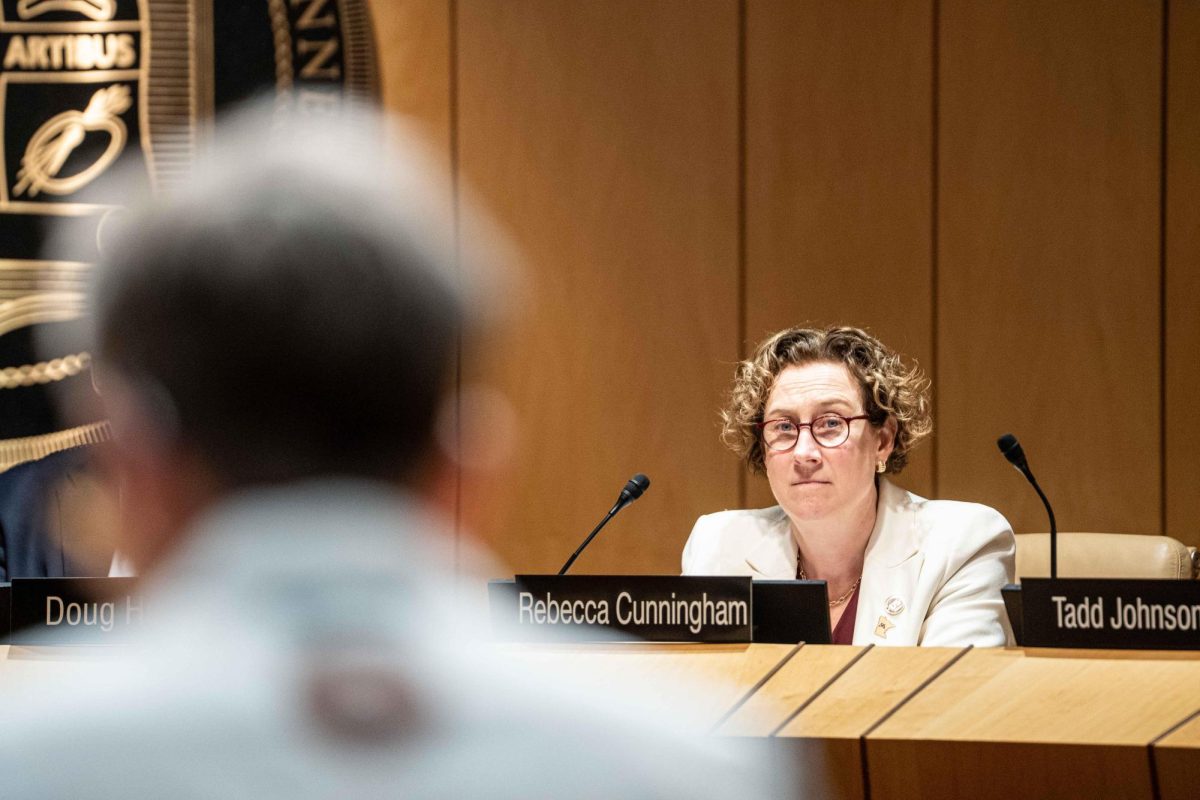
The budget was open to a public commentary period spanning from June 12-25, to which the administration received a wide variety of input from community members, as stated during the meeting by University President Rebecca Cunningham.
“Prioritizing is difficult but critically important in the current climate,” Cunningham said. “We must make deliberate choices to prioritize student access, fairly compensate faculty and staff and focus resources where they can do the most good.”
In a statement from the University’s chapter of the American Association of University Professors, members voiced their strong opposition to the recently voted budget.
Emma Molls, the Vice President of the chapter, expressed the organization’s frustrations related to the Board’s processes, as well as the overall budget and its projected academic effects for the upcoming year.
Molls said that the way the budget was written was very confusing, leaving faculty and researchers with questions regarding how the cuts would impact them on an individual level.
“One of the things that we’ve learned year after year is that there is quite a gap between those of us on the front lines, and the people making the decisions about the budget,” Molls said. “We don’t have a great way to give our feedback about the budget-making process, or what these cuts, reductions or reallocations will mean for us.”
Molls suggests that in order to operate in a system where faculty and students have their needs met, administrators must learn to better communicate budget plans before its release to the public, when final voting awaits less than a month thereafter.
Molls is one of many campus community members who noted the cuts as detrimental, making it harder for faculty to teach and research due to dwindling resources.
“For the entire chapter, we hope that University administrators start to think about more ways to collect feedback about the budget, how it plays out in our classrooms, labs and research teams, because there’s just not a great mechanism at our University for doing so,” Molls said.
Community comments outlined many regents’ statements regarding the budget proposals. Regent Kodi Verhalen acknowledged the critical opinions from various advocates, citing the work of the regents as unpaid, arguing that the regents find out about the budget nearly at the same time as the public.
“There is always room for improvement, but this process is far from opaque. We are not sitting in a room somewhere dreaming up the budget and just showing up in June,” Verhalen said. “We as regents get the budget nearly at the same time the public receives it each year.”
Regent Robyn Gulley said that she appreciated the increased faculty representation throughout this year’s process, but also noted several faults on the Regents’ part, such as an abundance of contract spending and generous administrative salaries.
“One of the things that I’ve learned about this budgeting process over the years is that the structure of the process isn’t as transparent as I’d like it to be for regents,” Gulley said. “I continue to have misgivings about the way that we’re allocating our funds and writing our budget.”
Additionally, the regents voted to pass the motions on the ongoing sale of Les Bolstad Golf Course located in Falcon Heights, as well as the construction of the new Community University Healthcare Center.
The Board’s next meetings are scheduled for July 22-24, which will include a summer retreat, with agenda details not yet available.