Warning: This story contains discussions of relationship violence and murder.
Over twenty years after her murder at the hands of Gordon Weaver, son of former University of Minnesota Dean Lawrence C. Weaver, Jean Kilduff’s family and many campus community members are now petitioning for the Board of Regents to revoke the “Weaver” name from Weaver-Densford Hall.
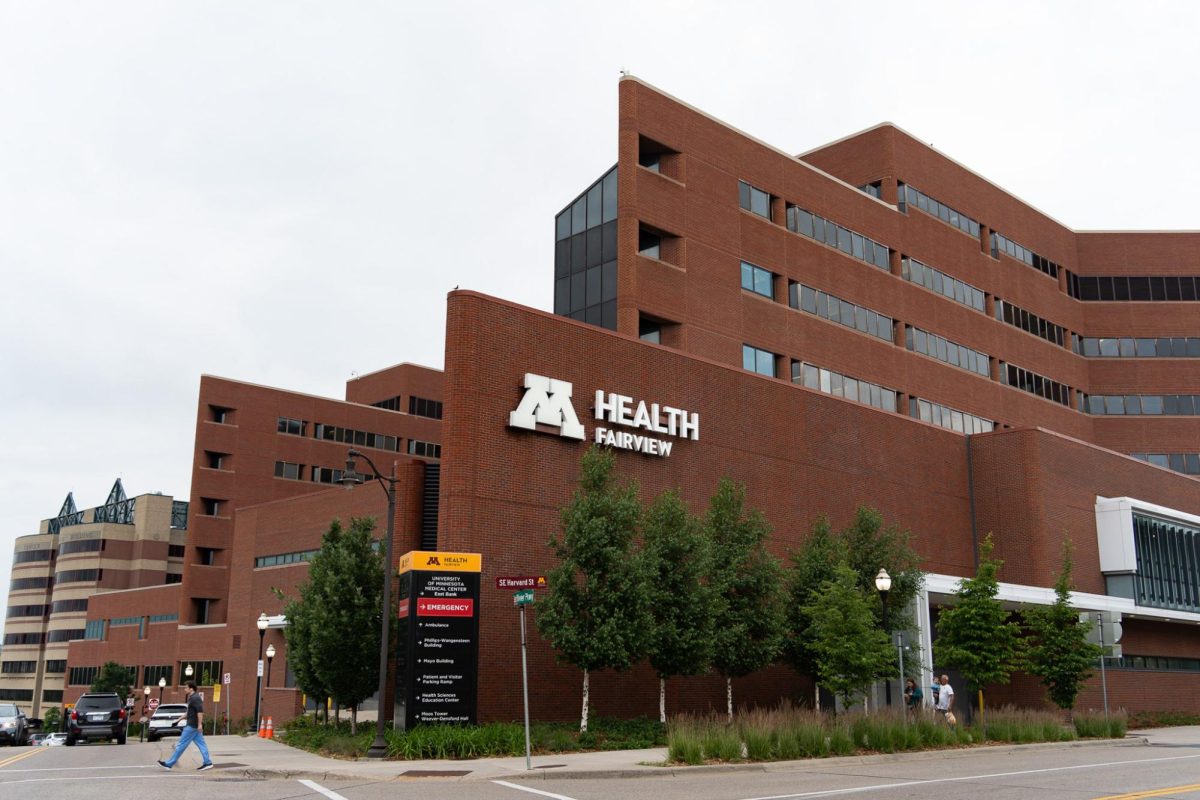
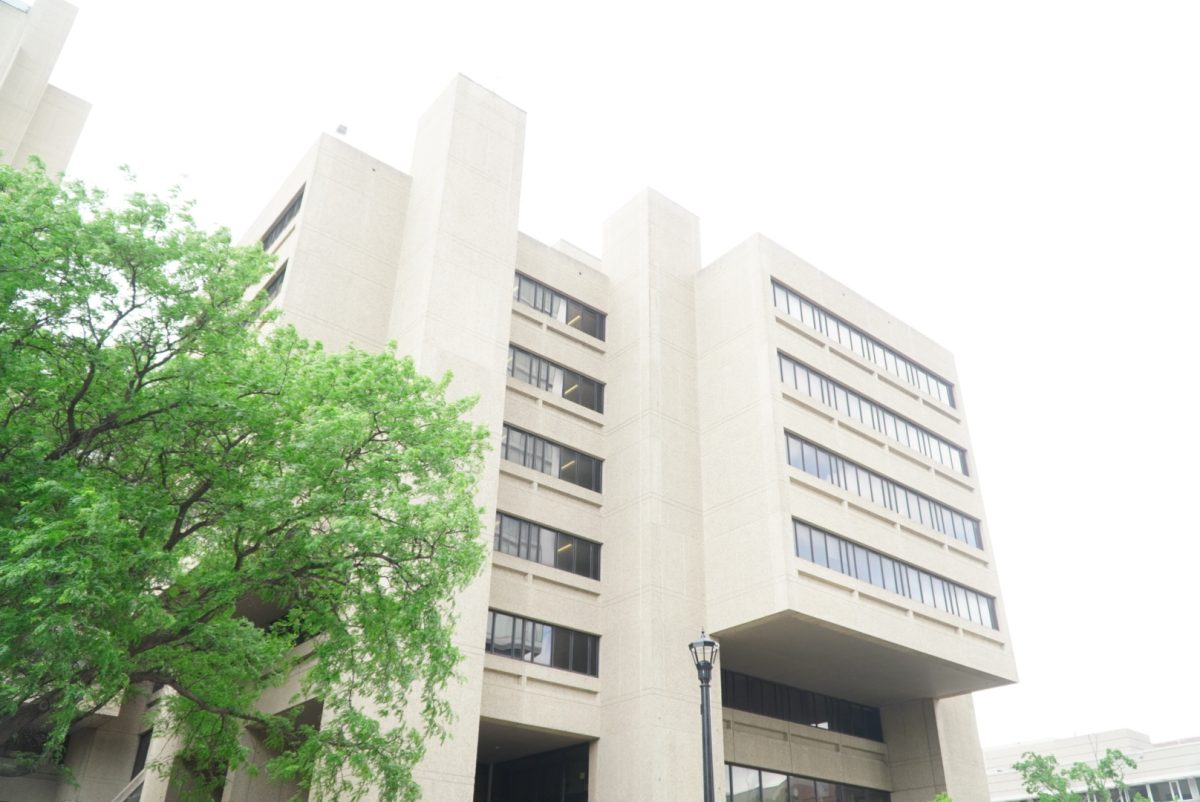
Weaver-Densford Hall was named in October 1996 to honor both Lawrence Weaver, the former dean of the College of Pharmacy, and Katharine J. Densford, the former director of the School of Nursing and a medical field pioneer. The hall is a part of a greater network of health sciences buildings on campus and houses both the University’s School of Nursing and the College of Pharmacy.
Although Lawrence Weaver made significant breakthroughs for the College of Pharmacy and beyond, it was later uncovered that he assisted his son, Gordon Weaver, in evading criminal prosecution for murder.
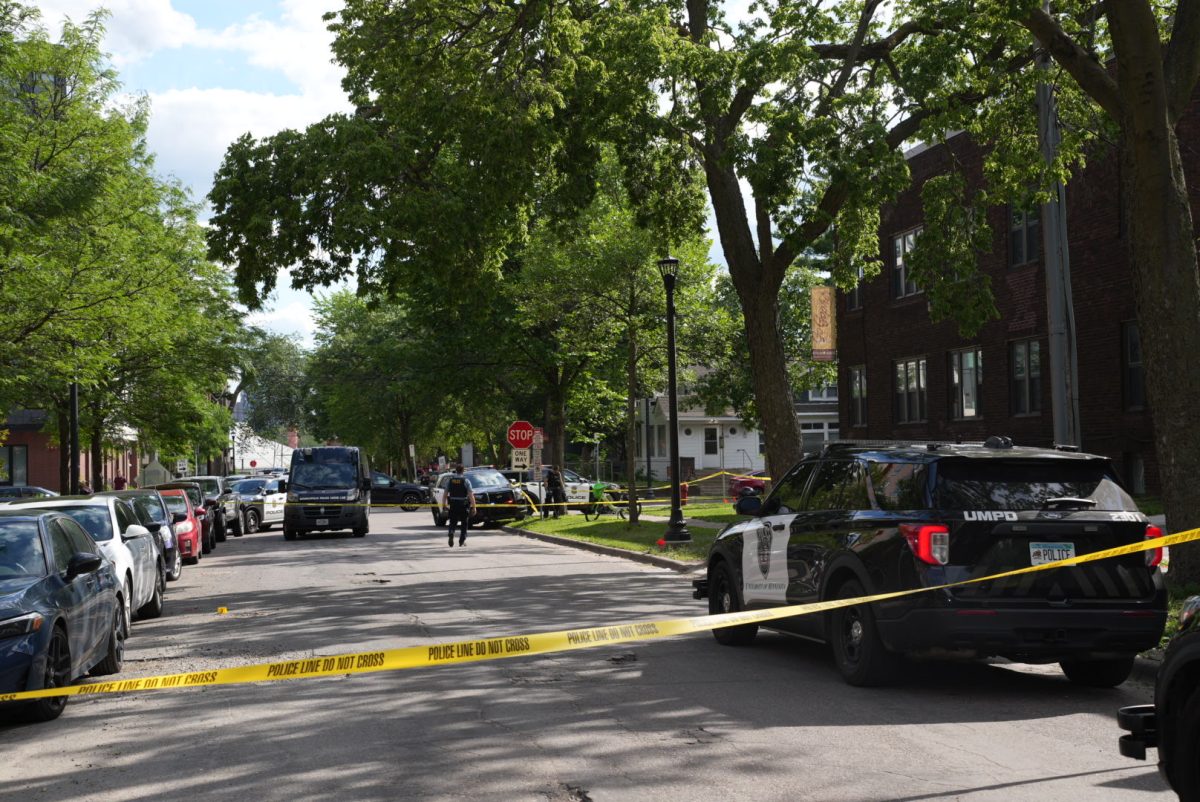
After a history of domestic abuse, Gordon Weaver killed his wife, Jean Kilduff, and set their house ablaze in an attempt to hide her murder in 1999. Following these events, he evaded police custody for about five years before his eventual arrest in 2004.
During Gordon Weaver’s trial, it was revealed that his father, the namesake for the medical building, assisted his son in executing his initial escape from police and continued to provide his son with resources throughout Gordon Weaver’s years evading police custody.
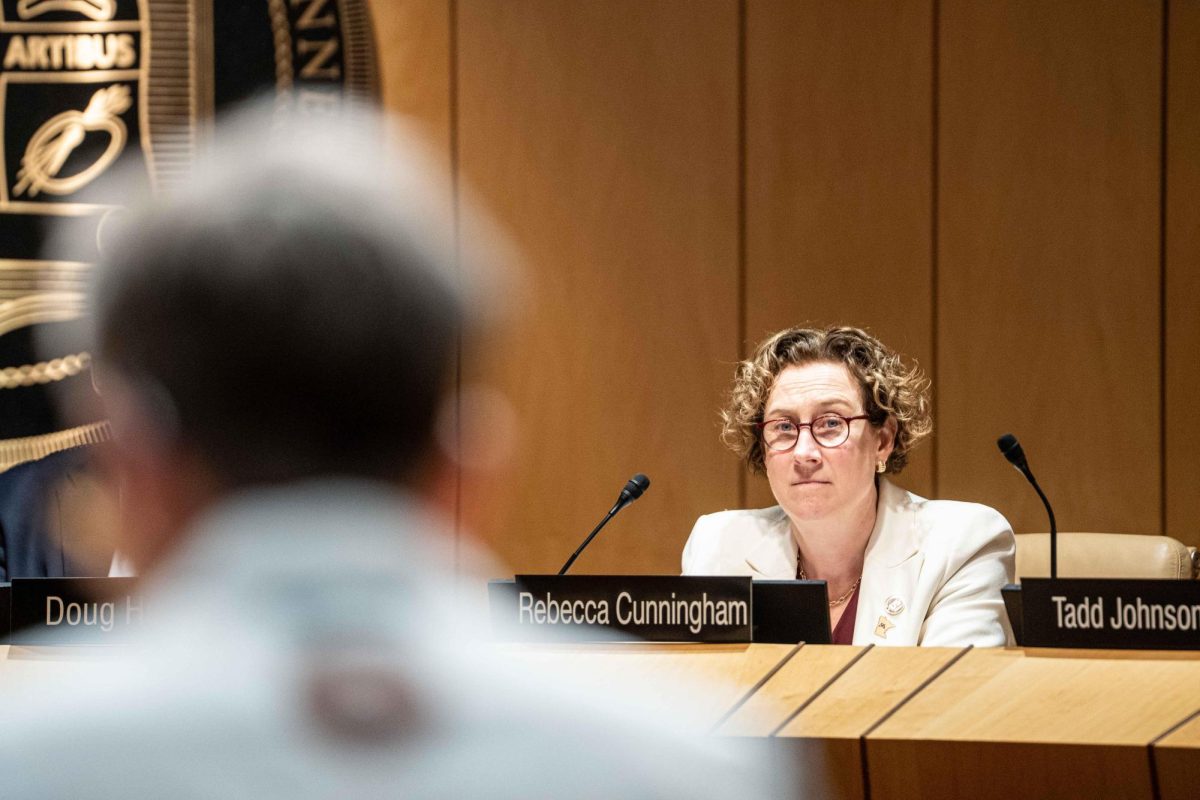
Last fall, the All-University Honors Committee received the request to reconsider the building’s name. After initial review by the committee, the proposal opened for public commentary earlier this summer, spanning from May 21 to June 4.
In a statement, the University said the request is currently in the review process, after which the AUHC will present to University leadership and the Board of Regents for a final decision.
Jim Dropps, the family member of Kilduff who originated the name revocation request, said in a statement that it took many years before the family was ready to pursue the request.
“I think it’s just obvious that someone who engaged in this level of heinous criminality should not continue to be honored by the University community with his name on a building,” Dropps said in his statement.
The Kilduff family is now utilizing the University’s latest revocation policy to prompt the name’s removal.
The guiding principles outlined in the policies detail that any building can undergo name revocation if the person after whom it is named was dishonorable, controversial or acted in any way that conflicts with the University’s mission and values. The policy on relationship violence states the University prohibits its community members from engaging, assisting or abetting in these prohibited acts.
Because of Lawrence Weaver’s involvement in the crime, the Kilduff family and their representatives argue that, although the building was named before this policy, this case blatantly contradicts current University policies and principles.
Riv-Ellen Prell, a professor emerita of the Department of American Studies and co-curator of the exhibition “A Campus Divided”, was involved in the revocation of Edward Nicholson Hall, the first ever building on campus to successfully have its name removed.
This exhibition prompted activism and student protests, which eventually led to a new policy on revocation to be developed by the Board of Regents in 2020.
“It was very interesting and important to me to see that the policy was still standing, and that others were making use of it,” Prell said. “It is excellent to see that the policy is available to a family who has been so profoundly harmed by the actions of this man and his parents.”
Prell recalled the case of Nicholson Hall’s name revocation and how, although the name has been removed, it now lacks a new title.
“It simply has a neutral address, and that is a shame,” Prell said. “This is an opportunity for the University to select another name, of another visionary person in the medical sciences.”
Yusuf Abul-Hajj, a professor in the Department of Medicinal Chemistry, said his initial reaction to the request was both surprise and confliction.
Discussing whether or not the name should be revoked, Abul-Hajj asserted the contributions Lawrence Weaver has made to the College of Pharmacy were groundbreaking.
“Weaver had worked extremely hard as a dean to get the legislature and funding for the building,” Abul-Hajj said. “Although it says Weaver-Densford Hall, there was nobody from the nursing school that was spearheading this effort like Dean Weaver did.”
Abul-Hajj described Weaver’s additional accomplishments, such as increasing the University College of Pharmacy program’s ranking and transforming the pharmacy discipline in Minnesota.
“I understand the situation — I read the request and I do sympathize with the family, but the naming occurred many years before the incident happened,” Abul-Hajj said. “I know people make mistakes, but that does not mean that we should ruin their reputation and the efforts they have made.”
Abul-Hajj said if the revocation passes, he predicts this will have a less-than-favorable effect on the University’s College of Pharmacy.
“The impact would be negative for pharmacy programs because of the standing that Dean Weaver occupied,” Abul-Hajj said. “Not just as a dean, but as a force for the Minnesota Pharmaceutical Association.”
The Kilduff family and their representatives argue that the current name shows indifference to those who were affected and no benefit to the University community.
“We are very hopeful the University takes the appropriate steps to correct this historical wrong,” Dropps said in an email statement. “Not only for our family, but for every student that passes through those buildings now and in the future.”