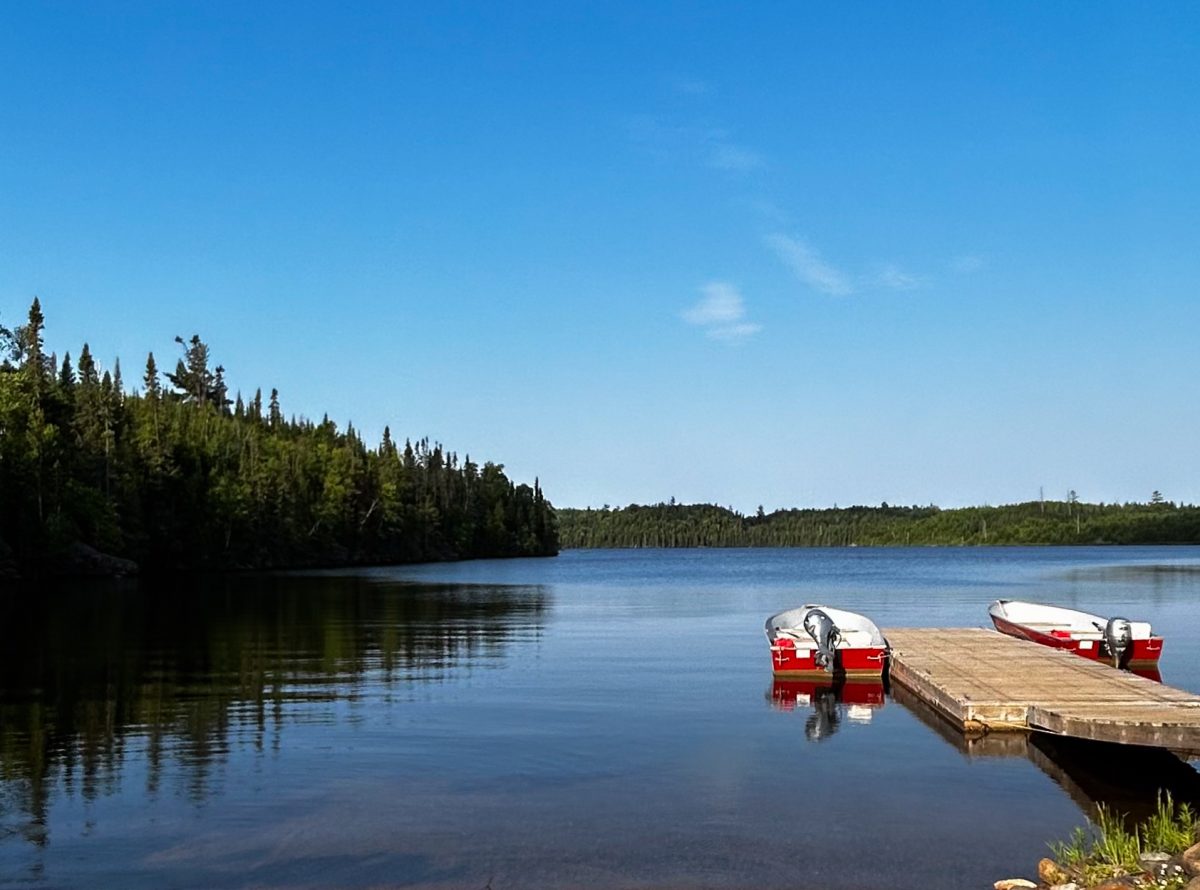
The Boundary Waters were ceded to the Anishinaabe people in the 1854 Treaty of La Pointe. The land, once promised to them, will be used for sulfur mining.
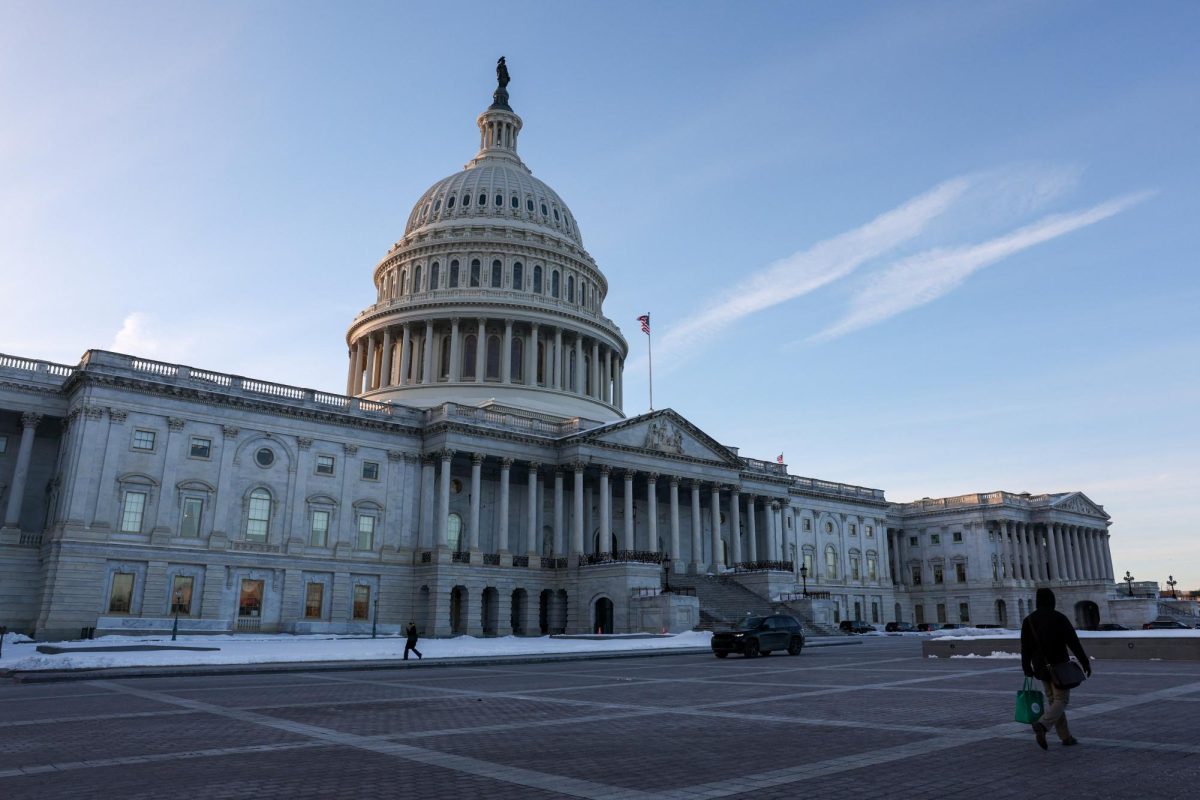
A 50-49 U.S. Senate decision overturned a previous 20-year ban on mining near the Boundary Waters. The decision will impact communities, Indigenous and non-Indigenous, near the watershed.
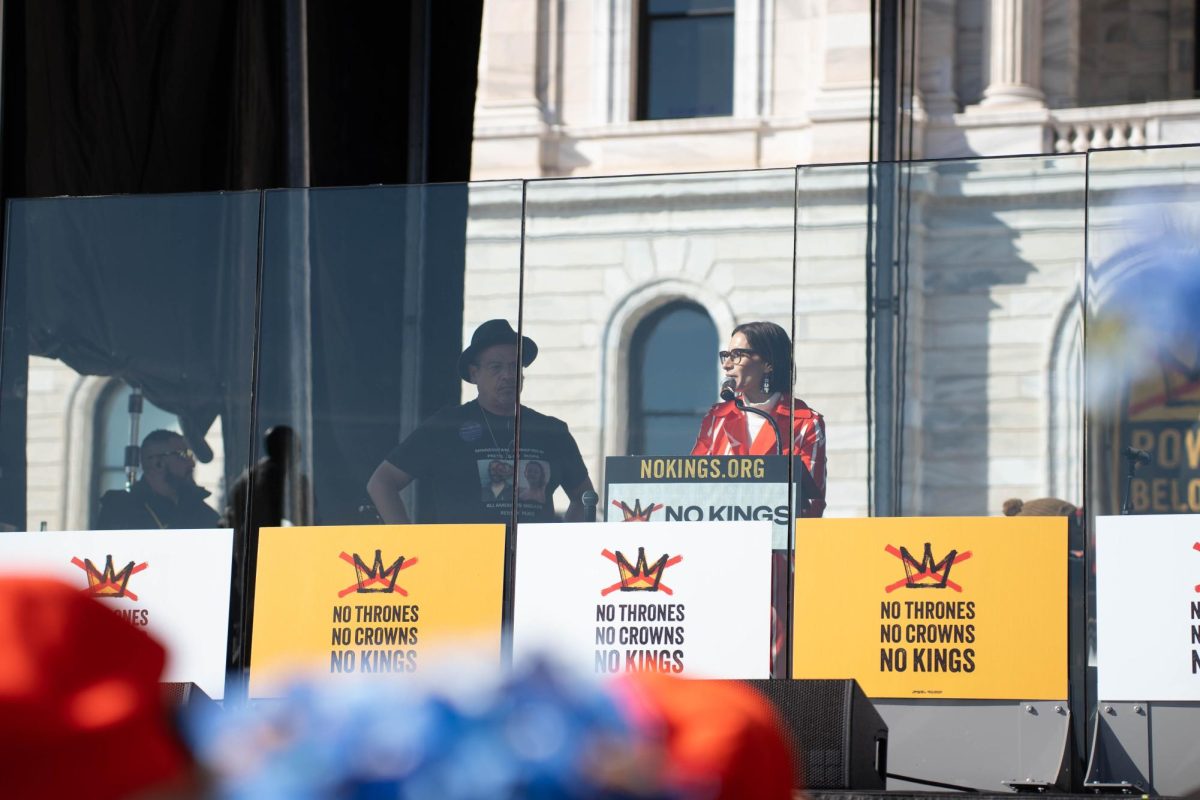
“Protecting water means protecting life itself,” Rise and Repair Co-Facilitator Leanna Goose said. “In this moment, there are so many threats to our water that it’s important that we all stand together and protect it for future generations.”
Goose found out about the vote while she was in Fond du Lac, presenting on data centers. When she found out, she walked along the St. Louis watershed, near Duluth, with her son, and they said a prayer to the water.
“That was a pretty tough thing to hear,” Goose said. “But as you can see, it’s driven a lot of people to action right now, and that’s what’s needed in this moment, is everyone speaking up for the water.”
Goose said part of Anishinaabe culture is looking seven generations ahead. It means looking out for future generations and ensuring they have what they need to survive, such as clean water.
“Looking out seven generations ahead means protecting the things that bring us life are the beings that bring us life here,” Goose said.
Sulfide mining releases harmful chemicals into the environment. Facilities are required to report chemicals released into the environment to the Environmental Protection Agency. “The quantity of chemical releases alone is not necessarily an indicator of human health outcomes or environmental impacts,” according to the EPA, which states that chemicals and how they are released are also factors.
Outside the Boundary Waters, other sulfide mines are proposed in the Mississippi River Watershed and the St. Louis River Watershed.
“All of these areas where these mines are proposed, they’re in treaty territory,” Goose said. “So treaty rights should be considered first, as they are the supreme law of the land underneath the United States Constitution.”
The 1854 treaty protects the hunting, fishing and gathering rights for Indigenous tribes in the Boundary Waters region. Mukwa Co-Executive Director Ernest Oppegaard-Peltier said the decision would have detrimental effects on the environment.
“The pollution from this mine would flow directly into the wilderness, impacting all downstream landscapes,” Oppegaard-Peltier said.
Wild rice is a sacred food in the Anishinaabe nation. It is the only grain native to North America and grows in the Great Lakes region.
“Our wild rice are is significantly more at risk than it is currently, as well as our other natural medicines and ceremonial plants that we use within our culture,” Oppegaard-Peltier said. “It means that is a further erasure of our culture and ongoing genocide.”
Water and environmental concerns have been raised outside of the Boundary Waters. The Fond du Lac and Grand Portage tribes filed a lawsuit against the EPA for violating the Clean Water Act. The act governs pollution in surface water, which the tribes say the EPA violated.
“This is the first lawsuit that any tribe in the United States has filed against the EPA over changes to water quality standards,” Oppegaard-Peltier said.
The Native American Caucus of the Minnesota Legislature condemned the overturning of the ban.
“Today is a dark day for our people and homelands — this battle is far from over. For thousands of years, our ancestors navigated these interconnected lakes and rivers,” The caucus said in a statement. “Today, millions come to paddle, fish, hunt, hike, dogsled, and pray. This is one of the most visited wilderness areas in the country. And it belongs to the public — not to foreign mining corporations.”
Organizations such as Rise and Repair, Mukwa and Friends of the Boundary Waters continue their fight to protect the land.
“When the Anishinaabe are working to protect our treaty rights, we’re working to protect all of life, not only for ourselves, but for everyone else as well,” Goose said.
Correction: The current headline more accurately reflects where the mining will occur.