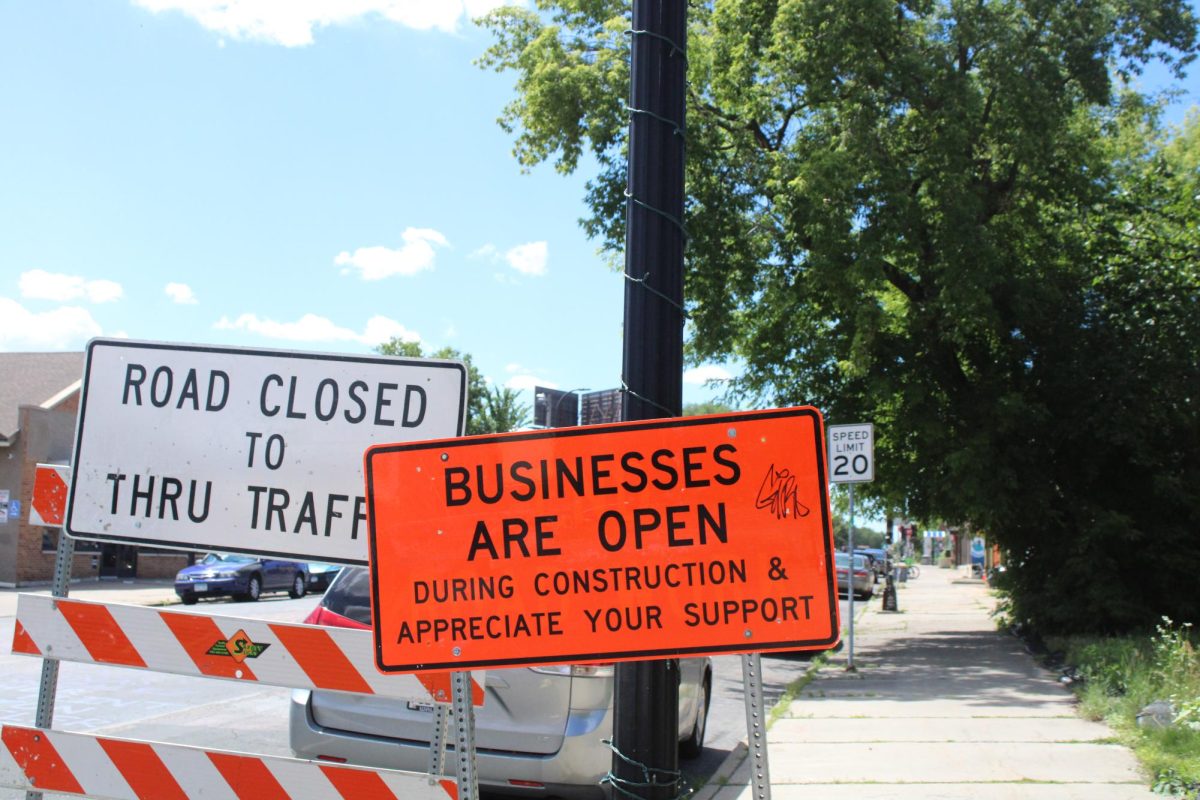
The shutdown of the Housing Stabilization Service last month due to fraud allegations leaves many disabled people without housing resources.
The Department of Human Services shut down HSS on Oct. 31 after allegations of fraud by some of its providers. The DHS said the program had to shut down because the fraud allegations were credible and widespread.
“The Minnesota Legislature and DHS each took strong actions this year to improve oversight of the program, with more stringent requirements for vetting providers and additional tools for investigating fraud,” the DHS said in the statement. “However, as the scope of fraud in this program has become more apparent, DHS and the Governor’s Office have decided that Minnesota cannot afford to wait and see how effective these new program integrity measures will be.”
An estimated more than $1 billion in fraud occurred within programs under HSS, such as Feeding Our Future and the state’s autism program, according to the Minnesota Reformer. The HSS falls under the federal and state Medicaid programs.
The program is one of 14 programs that are under independent audit review, according to a press release. People who were previously in the program should reach out to their case manager or their tribal leader for assistance, according to the DHS.
Larissa Laramee, the senior director of program services of Reach for Resources, said the DHS could have handled the situation differently. She said the program could have partially opened for people without waiver services, which helped provide funding for people who want to live in the community rather than in an institution.
This comes after the Minnesota Department of Justice accused eight people of wire fraud through the HSS program in September. The scammers used the names of eligible facilities like drug addiction treatment centers, and used participants’ information to inflate reimbursement claims.
People with disabilities are more likely to face disparities in housing.

Similarly, Chad Wilson, a supervising attorney at the Minnesota Disability Law Center, said people with disabilities are more likely to be put in institutions. The HSS program was launched in 2020 as a medical assistance program to help people with disabilities find stable housing.
Laramee said the program played an important role in helping participants not only find housing temporarily, but keep it as well.
The program was originally called Housing Access Coordination, which transferred to HSS in 2022. The first program was overseen by case managers with waiver forms for each participant.
Laramee said as the program expanded due to COVID-19 increasing housing needs, the level of oversight decreased.
“It was a DHS-run and operated service that didn’t have another layer of oversight of a case manager being involved, unless the person was on a waiver,” Laramee said.
According to DHS data, 21,000 people were enrolled in the program last year.
Wilson said the program helped with the disparities that disabled people face, especially with finding accessible living and long-term rentals.
“It’s a program that can help with all the different steps as far as finding housing. So starting that plan to move, figuring out what places might work for the person, figuring out where they can find rentals, things like that, or just continuing that tenancy,” Wilson said.
The shutdown of the facility could lead to people who were using the program being stranded, said Anne Robertson, the legal director for the Minnesota Disability Law Center.
“There’s no commitment to any sort of timeline or any kind of stopgap measure to provide those services in the interim,” Robertson said. “That means that people with disabilities are stuck, or they’re homeless.”
The DHS said in a statement that they have been working with the state government, providers and community partners to rework the program with more supervision, but there is no timeline on when the program will reopen.
Laramee said that providers learned of the pending shutdown a week after its initial announcement in June 2025.
With the program gone, Laramee said organizations like Reach for Resources will have to find new ways to fill the gap created by the closure of HSS.
“It’s going to be providers trying to be able to navigate, figuring out what they can do under those different service lines that are currently in existence or going to be able to continue,” Laramee said.