

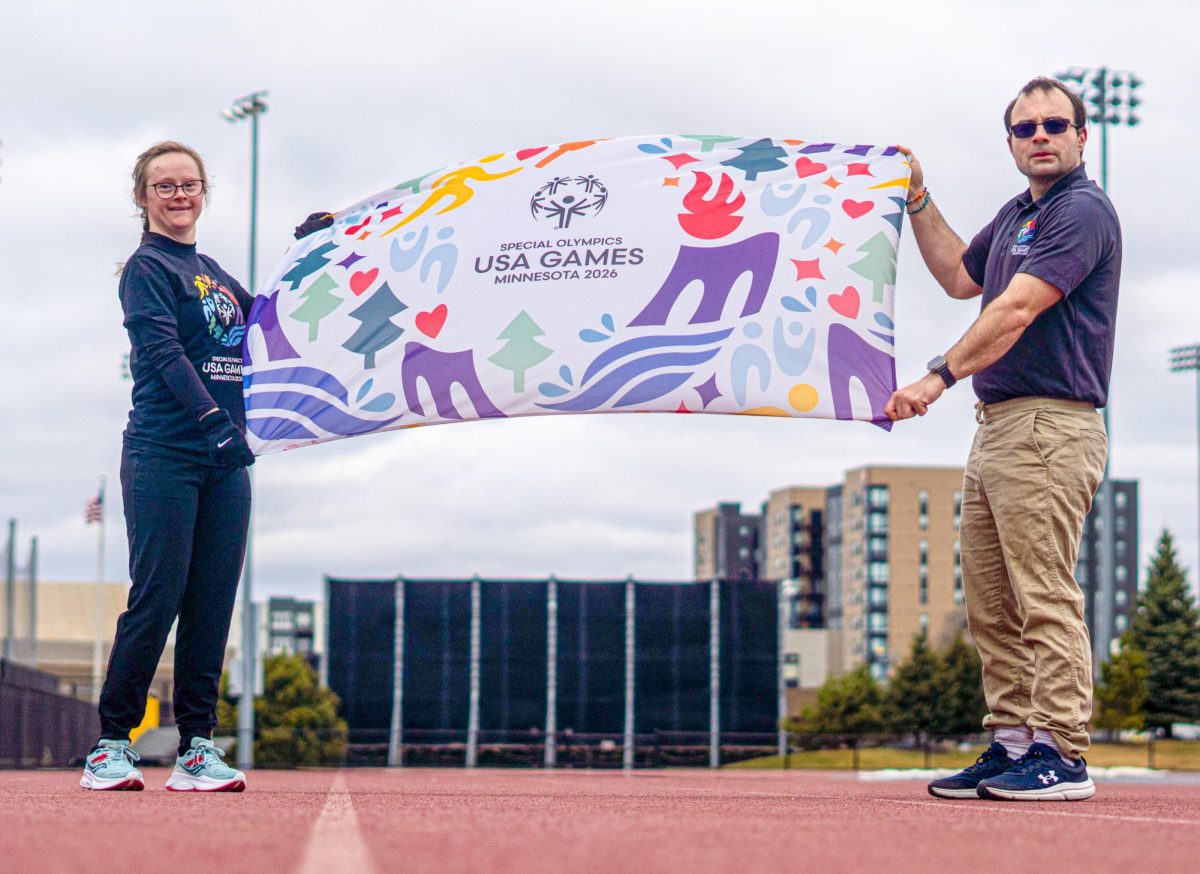
When the 2026 Special Olympics USA Games come to Minnesota in June, thousands of athletes, coaches and volunteers will gather for a week of competition. For athlete Lucy Haugland and Special Olympics board member David Booth, the Games also represent a community that extends well beyond sports.
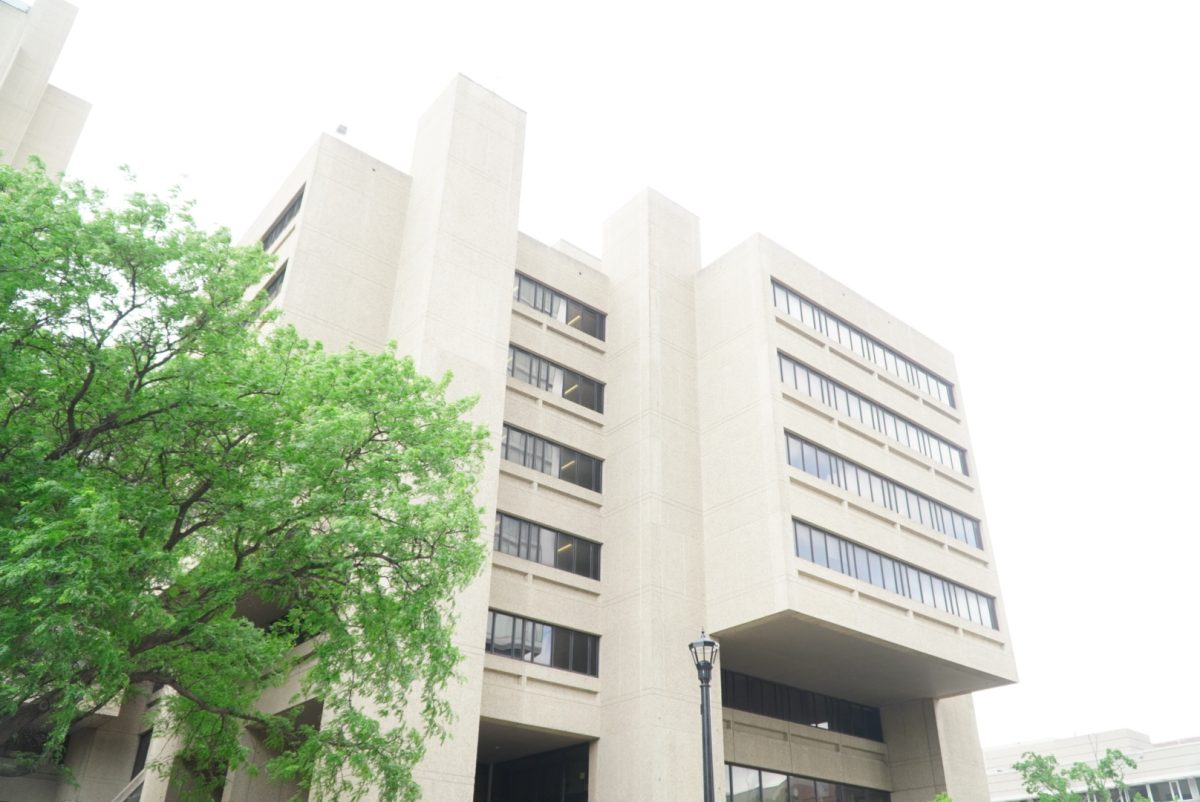
The Games will be held at the University of Minnesota and the National Sports Center in Blaine from June 20-26. Ten of the events – including athletics, competitive cheer and swimming – will take place in various arenas and stadiums at the University’s campus.
The games will feature nearly 3,000 athletes from all 50 states, 1,500 coaches and 16 Olympic-type sports.
Haugland, a Minnesota native, has been involved with the Special Olympics for 21 years. She will be competing in track and field in the 2026 Games, but has also participated in a wide range of sports in the past, including bowling, hockey, skiing and rhythmic gymnastics.
Haugland said she is excited to showcase the state and the meaning of “Minnesota Nice” this year.
“I can’t wait to meet new friends and trade state pins,” Haugland said. “I am excited to compete. We all have been training really hard.”
Her mother and coach, Kellie Benzow, said the social side of the organization is one of its defining features.
“When they get together for the state game, it’s just one big party,” Benzow said. “They all come together from all over the state, and then they’ve just become friends.”
Booth, who serves as an athlete representative on the Board of Directors for the 2026 USA Games, echoed Haugland’s appreciation for Minnesota hosting the games.
“It’s an honor that can’t be stated, because I myself have received treatment for my autism here in Minnesota, and they have been gracious,” Booth said. “They have been inclusive, and frankly, are great ambassadors for this incredible movement through these incredible games.”
Like Haugland, Booth’s journey to the Special Olympics also started as an athlete.
“How it began was a desire for me to understand what it’s like to win and lose, because as a Minnesota sports fan, we’re often used to losing,” Booth said.
Booth went on to serve on the board of Special Olympics Minnesota before he got his leadership role for the nationwide games. He said the news of his election to the 2026 Games came as an “absolute shock.”
“I never imagined that I would serve in that kind of capacity,” Booth said. “Frankly, I never thought I could do leadership, but that’s the power of the mission of the Special Olympics.”
For Booth, leadership has become one of the most meaningful parts of the Special Olympics. Both he and Haugland are involved with the Athlete Leadership Program, which offers a variety of opportunities for growth outside of athletics, including training in coaching, health and wellness, community engagement and public speaking.
“It’s just a wide variety,” Booth said. “And it also allows us to be able to engage in the community and, frankly, help us succeed in the community.”
That broader mission will also be integrated into the 2026 Games. In addition to the competition, the Games will include the Healthy Athletes program, which the organization anticipates will conduct more than 15,000 free health screenings for participants throughout the week.
“This event isn’t just a sports competition,” Booth said. “It truly is a humanitarian event.”
Chris Gade, University vice president for communications, said in a statement the University is proud to host the 2026 Special Olympics USA Games.
“The event, the participants and the organization will inspire our community, state and nation through their focus on inclusion, empowerment and transformation, and we are honored to partner to bring this event to life this summer,” Gade said.
Molly Gallatin, vice president of communications for the 2026 Games, said Minnesota was selected to host the games because of the state’s deep-rooted community service culture and its proven track record of hosting elite sporting events.
“The bid was built on the state’s reputation for being a leader in the global movement for inclusion and its unique ability to rally thousands of supporters behind a common goal,” Gallatin said.
Both Booth and Gallatin said that the Games aim to recruit 10,000 volunteers.
“It’s not just because we want you to show your generosity, it’s because we want to include you,” Booth said. “You deserve to showcase what makes you a champion.”
Booth added, however, that no work is required to support the games: people can also join the audience.
“Come on out and be a part of the fans. Come and help fill our stadiums because what makes you great deserves to be showcased on the grand stage,” Booth said.
While Haugland’s focus going forward is to keep training and try her best in the games, Booth has a final call to action for the University of Minnesota community:
“You are champions, we are calling champions, showcase your champion among all of us,” Booth said.“Come on out and be a champion.”
If you would like to support the 2026 USA Games, you can read more about volunteering here or attend the Games to cheer on the athletes.







Ben
Apr 20, 2026 at 12:42 pm
What a joy that this event will take place in Minnesota! Great coverage on a really important event, and exciting to see all of the support and involvement from the community. Great job, Maja!