Minneapolis’ minimum wage increased to $16.37 per hour on Jan. 1, a 40-cent jump from last year.
The increase applies to all hours worked within Minneapolis city limits, reflecting an automatic annual adjustment, according to Brian Walsh, associate director of Labor Standards Enforcement at the Minneapolis Department of Civil Rights.
“Forty cents doesn’t sound like a lot,” Walsh said. “But when it applies to every single hour for all minimum wage workers, it is a significant increase for all of those affected.”
The move came as the federal minimum wage stagnated and the state minimum wage failed to keep pace with the cost of living in cities such as Minneapolis.
“With the passage of our minimum wage, there’s a built-in automatic increase every year on Jan. 1 to account for inflation,” Walsh said. “Without it, the city would risk having an essentially obsolete minimum wage years down the line.”
To enforce compliance, the city relies primarily on worker complaints rather than routine inspections. Walsh encouraged anyone with concerns to contact the city.
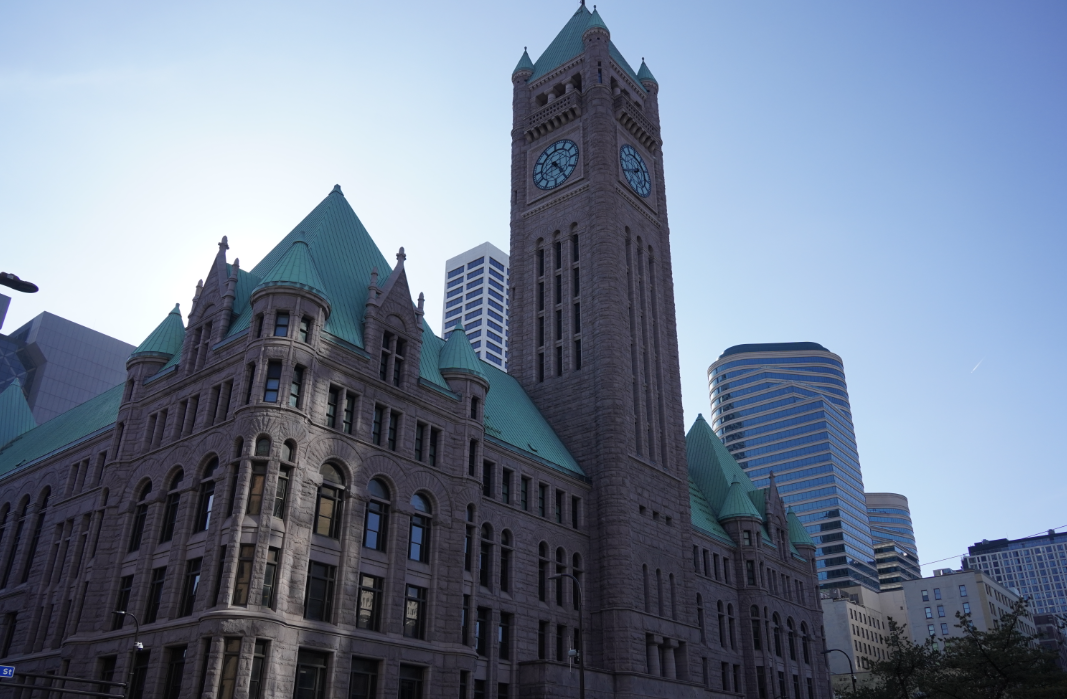
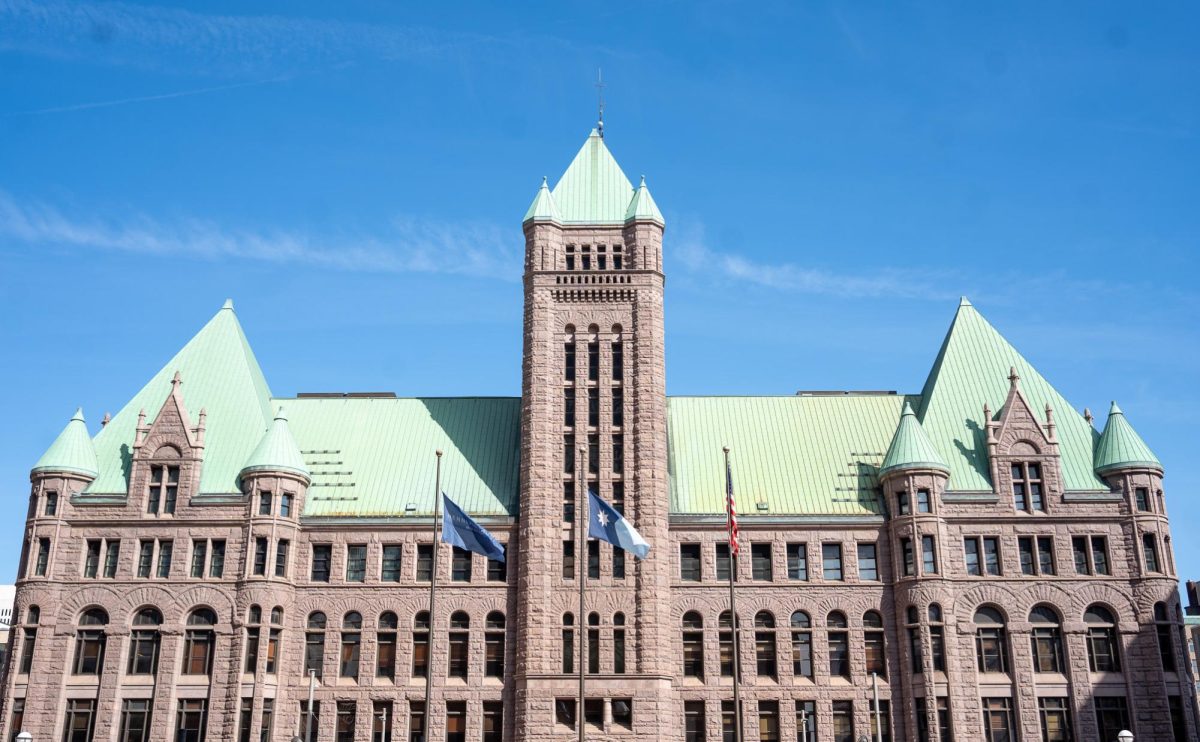
“You can file a complaint online, walk into City Hall room 239, or call 311,” Walsh said. “We really encourage anyone with concerns to reach out.”
Each year, the department receives complaints from workers who say they are not being paid the required minimum wage. More serious cases, however, involve worker misclassification.
“Workers are sometimes misclassified as independent contractors or as exempt salaried employees,” Walsh said. “When you do the math, their pay works out to less than minimum wage, and that is unlawful.”
For workers like Ekin Vang, an intramural referee at the University of Minnesota’s Recreational and Wellness Center, the increase is a good change.
“I think it’s a good thing that they bumped up the minimum wage,” Vang said. “I didn’t even realize it at first, but I got an email from HR explaining the changes.”
Vang said the university is implementing wage increases in stages, with increases planned for January and June. He said the additional pay matters, as everyday expenses continue to rise.
“Everything is getting more expensive now,” Vang said. “People need more money just to get by and live.”