


The University of Minnesota’s Teamsters Local 320, a Minneapolis workers’ union chapter, rejected the University’s final offer by 82% in a vote on Friday and may strike at a later date.
The rejection follows a statement shared with the Minnesota Daily on Wednesday, projecting the offer would be turned down at the final vote.
Another statement released by the chapter reiterated its demands to the University and affirmed its right to strike.
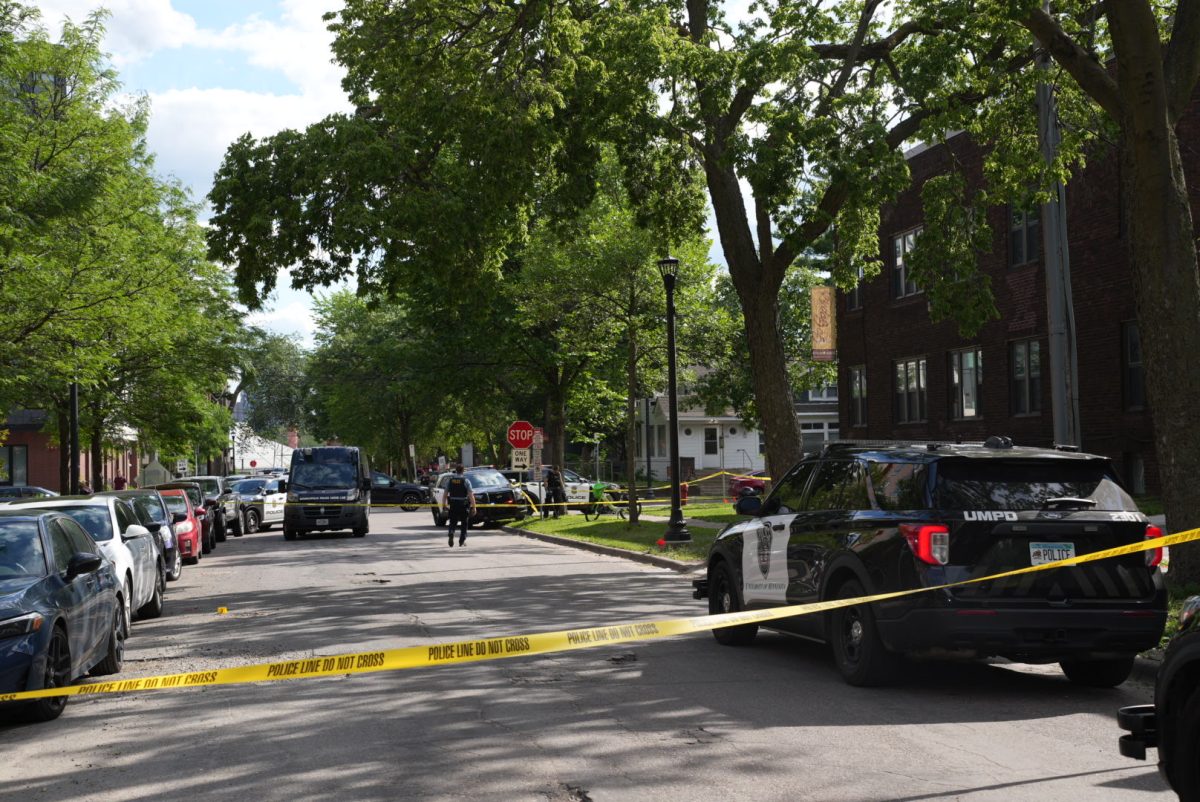
As of Tuesday morning the University has confirmed the ongoing Teamsters strike, and detailed the potential impact of a Twin Cities campus strike here. Information on other campuses can be found at the University Office of Human Resources.
“Today, Teamsters have sent a shot across the bow to the University of Minnesota community,” lead negotiator Jackson Kerr said in the statement. “Our goal is not to strike but to secure an agreement that meets the needs of University Teamsters.”
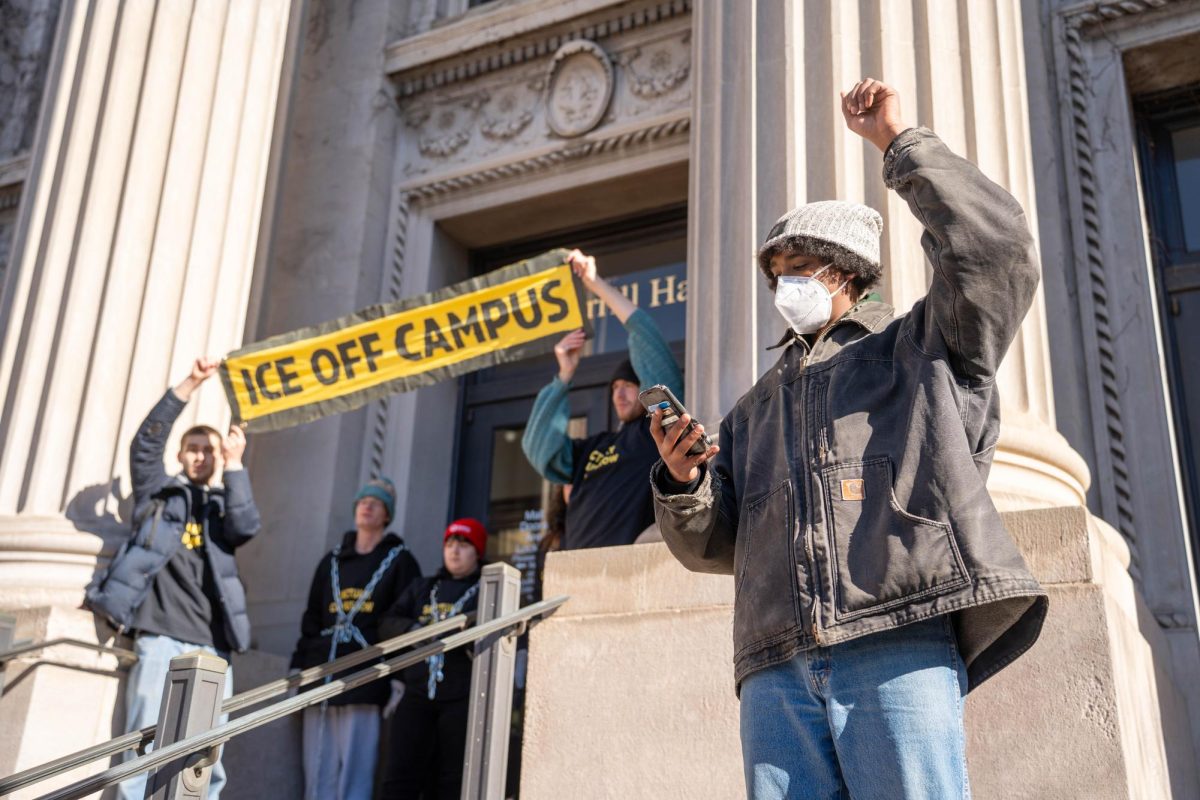
The Teamsters strike is going to impact the University’s dining services, housing and residential life, parking and transportation services, custodial, maintenance, and other campus services, according to a Monday email from University public relations.
The University’s Vice President for Human Resources, Ken Horstman, said in a systemwide email that the University hopes to reach a resolution with employees that balances financial considerations with employee demands.
“We hope a resolution can be reached that supports our employees and ensures that the University remains a good financial steward,” Horstman said. “Above all, we are committed to minimizing the impact on our students and maintaining a safe and supportive learning environment for all.”
The Teamsters announced in early August that they filed an intent to strike with the University as labor bargaining negotiations stagnated. The University presented Teamsters with its “Last, Best, and Final Offer” on August 19, with Teamsters postponing their strike to take the offer to a vote.
Following prolonged summer negotiations, Teamsters members are taking a hard line with their contract demands. According to Teamsters member Grady Johnson, the responsibility is on the University to end the dispute.
Johnson said that the labor union is facing an immense pressure and struggle in stagnating negotiations with the University.
“It’s kind of a frustrating position when we feel that we are so close to getting something that we cannot accept, and the University is really digging in,” Johnson said. “We also feel confident that we can stand up to them, and we can stand up to the administration.”
Because of these disagreements, Johnson said the labor union is preparing to stand strong and ready the picket line.
“We are prepared, and what that looks like is, you know, we have enhanced strike benefits going to anyone who will be on the picket line,” Johnson said. “We’re willing to picket and conduct a strike until the University is willing to meet our demands.”
A member of the chapter shared in a Wednesday statement that it was likely to turn down the University’s final offer, though voting continued at the University’s Duluth and Crookston campuses.
Teamsters’ negotiators are seeking an agreement that matches or exceeds wage increases offered to other unions and maintenance of other progress made at the bargaining table so far.
The University’s current offer is slated to expire in December 2026, putting the chapter out of sync with other union contracts at the University.
To Teamsters members like Marissa Bremer-Roark, contract negotiations represent an opportunity for University employees to keep pace with the rising cost of living and remain on schedule with other union contracts on campus. She said that with increases to employee health insurance premiums, even the 3.5% wage increase the Teamsters has been seeking would not do much to improve employees’ living situations.
“That (3.5%) is what we’ve come down to,” Bremer-Roark said. “That’s still not going to do a whole lot to counteract the 10.2% increase to our healthcare premiums. I’ve never made so much money and been so broke.”
A previous statement from the University said medical premium increases for 2026 would be 9.7%, not the 10.2% reported by Teamsters.
According to Bremer-Roark, Teamsters membership is committed to seeing their demands met.
“The membership is organized,” Bremer-Roark said. “We’ve been doing our best to be really transparent with the membership, and with that transparency, we’ve been able to build consensus.”
In his email, Horstman said that the University is prepared for such disruptions should they occur.
“We have a comprehensive plan in place if a strike occurs,” Horstman said. “In that situation, some delays or minor disruptions may occur, and we appreciate your patience and understanding.”
A prior update from the University indicated that residence halls, dining services, classrooms and other facilities on campus may experience changes to hours as a result of a strike.
“The University knows where our finish line is,” Johnson said. “They can avoid a strike and settle a contract within minutes.”







@Jill
Sep 14, 2025 at 2:28 pm
Um, you predict the U will lay off workers to cover the 1/2 percent and you blame the striking workers for that instead of blaming the U? That’s some serious Stockholm syndrome you’re dealing with, friend.
Jill
Sep 14, 2025 at 12:05 pm
Let’s see what the vote brings. The U offered 1/2 more for two years and they dropped the strike and go back to work Sunday. Guess the realization that the teamsters have no power finally hit them. Let’s hear them brag up nothing burger so they can raise dues of there members. The U will lay off just enough custodians and or food service worker’s to cover the 1/2 percent. So what did the nonsense strike do? NOTHING!!!!
Angie
Sep 12, 2025 at 5:25 pm
It is not illegal to permently replace striking workers so please read case law from the Supreme Court , 304 U.S. 333, 2 L.R.R.M. 610
The Mackay rule is that employees who strike for economic reasons, typically when contract negotiations break down after good faith bargaining by the employer, run the risk of losing the job held before going on strike to a person hired for that job as a permanent replacement. Strikers’ reemployment rights when the strike is over, or when they decide to abandon the strike, is reduced to having priority for positions that are open at the time they make an unconditional offer to return to work, or which become available thereafter. If all jobs are filled by the end of the strike then there are no jobs to give priority and striking worker is out of a job.
@Jay
Sep 12, 2025 at 5:54 am
It’s illegal to hire permanent replacements for striking workers. Also, check your spelling and your facts if you want to make it in the business world. Check your own scabby levels of stupid before you call other people that.
@Jay
Sep 11, 2025 at 7:10 pm
Tell me you have no idea what is going on without telling me yo have no idea what is going on.
Jay
Sep 11, 2025 at 11:10 am
LOL stupid posts below. If you want to make that kind on money go to college and prove yourself in the bussiness world. Why even try to compare the jobs and what people make?
Teamsters better be carful what they ask for! Push it to far and the U may just hire replacment works and then you will be out of a job. SMH
anon
Sep 10, 2025 at 10:42 am
Ken Horstman, who earns $295,700 a year, is in no position to tell underpaid workers that they need to accept pay cuts to be “good financial stewards.” I will believe that line when Horstman and Cunningham take the same wages they’re trying to force on the laborers that make the university run.
Anonymous
Sep 9, 2025 at 9:00 am
Rebecca Cunning-Ham’s first big accomplishment! Stirring up a strike! What a nasty individual she is.